You know, looking back from 2026, I still can't quite get over the Volkswagen Arteon. It was this weird, wonderful gamble by a brand we all thought we had pegged. For the longest time, Volkswagen was the sensible choice, the ‘people’s car,’ while its fancy cousin Audi handled the luxury stuff. But then, out of nowhere, VW decided to throw a curveball. They didn't just ask Audi for help; they rolled up their sleeves and tried to build a luxury car on their own terms. Forget badge engineering—this was a full-blown experiment to see if refinement and comfort really needed a four-ring grille to be taken seriously. It was bold, it was a bit crazy, and honestly, it made us all stop and think: what exactly is a Volkswagen supposed to be? The badge stayed the same, but the whole game changed. And let me tell you, years later, that experiment has turned into one of the coolest ‘what-ifs’ I’ve ever driven.
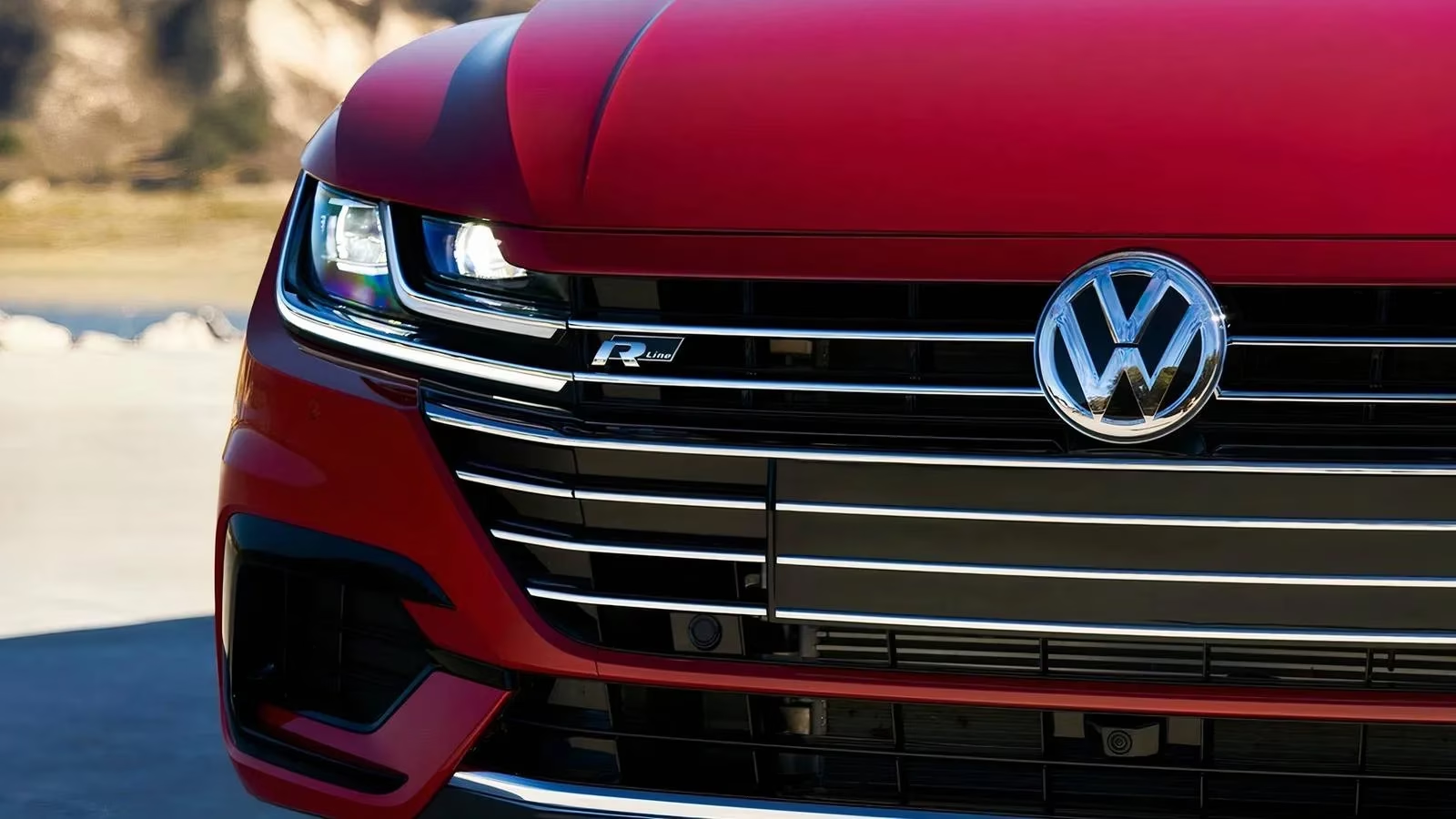
When the Arteon first hit the scene back in 2017, it wasn't just another sedan to slot between the Jetta and the Passat. Oh no, this was Volkswagen's big, public declaration: "We can do premium too." Debuting at the Geneva Motor Show, this thing was a proper grand tourer. It sat above the Passat and had a presence that screamed ambition. It was designed to be striking, not sensible. With its low roofline, that gorgeous fastback tail, and an expansive glasshouse, its silhouette had more in common with a classic GT car than your average family hauler. It was built on VW's flexible MQB platform but stretched out to give it a longer wheelbase than the Passat, which meant tons of rear-seat space. From the get-go, it was clear this was Volkswagen playing in a whole new league.
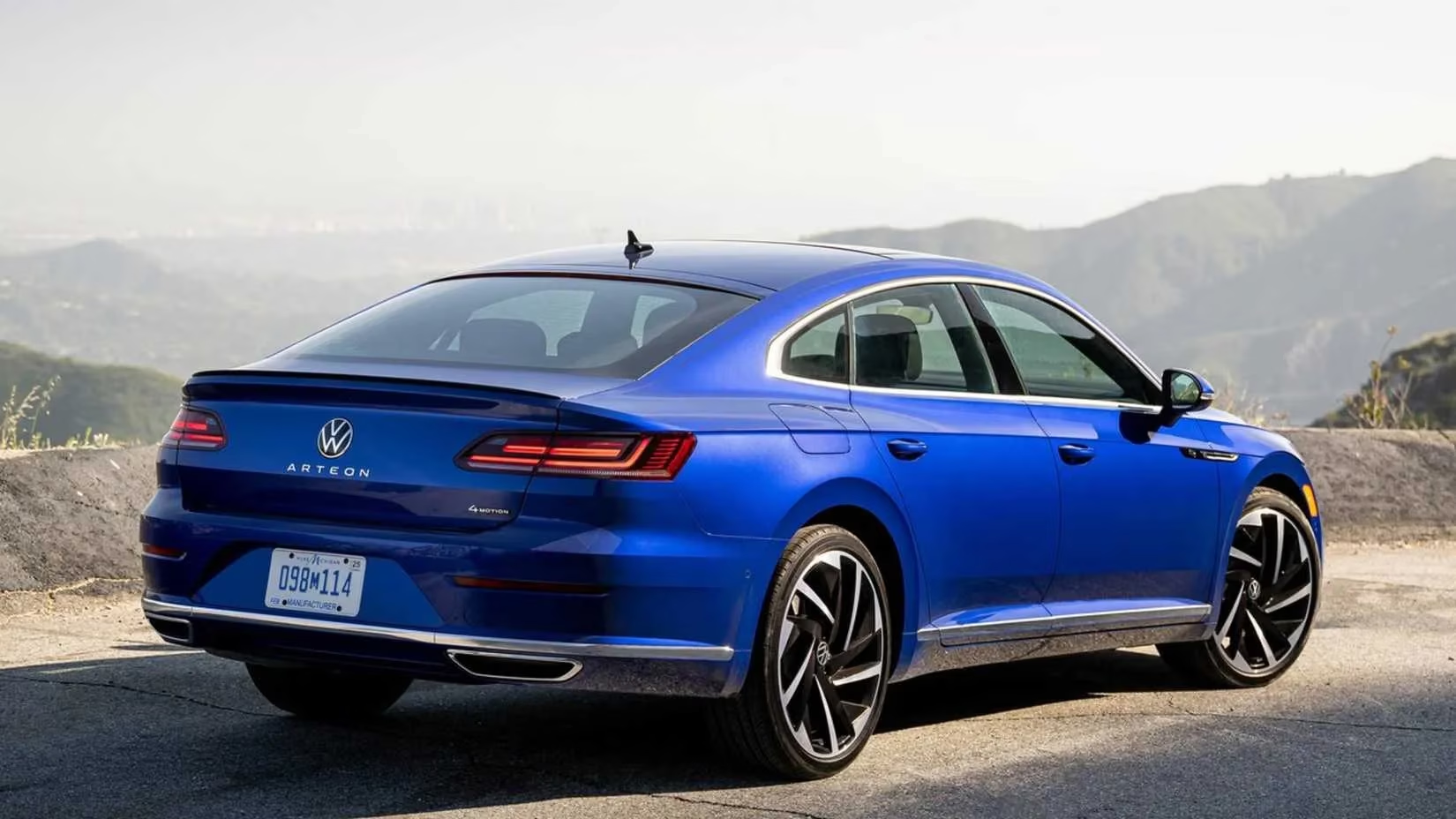
Production kicked off in Europe, and after a bit of a wait, it finally made it to the U.S. for the 2019 model year. Over its life, nearly 190,000 were built worldwide, including both the fastback sedan and a super-cool shooting brake wagon variant (wish we got more of those here!). Most U.S. models came with a punchy turbocharged 2.0-liter four-cylinder, good for 268 horsepower. But the later models, like the 2022–2023 Arteon R-Line, really turned up the heat. That same engine got massaged to put out 300 horsepower and 295 lb-ft of torque, paired with a snappy seven-speed DSG gearbox. We're talking 0-60 mph in about 4.6 seconds—serious sleeper credentials right there.

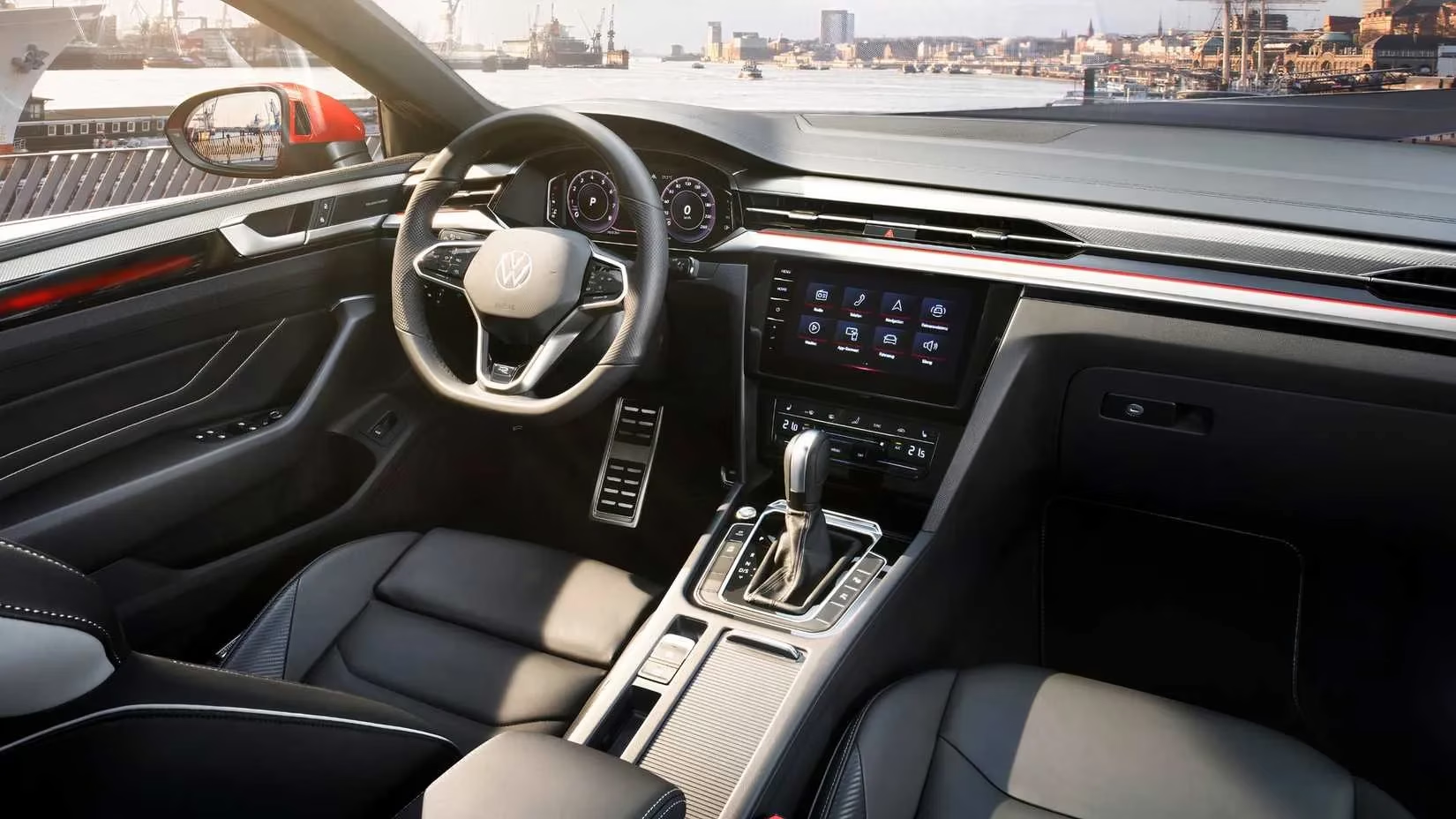
So, what made it feel luxurious? It wasn't just one thing; it was the whole package. The interior materials were a huge step up from your typical VW. Soft-touch surfaces everywhere, tight panel gaps, and a clean, uncluttered layout. It was packed with the latest infotainment and driver-assist tech, and you could get it with 4Motion all-wheel drive. And all of this was wrapped in what is still one of the best-looking designs to come out of Wolfsburg in years. It never pretended to be an Audi, but it delivered a premium experience that made you question why you needed the fancy badge in the first place.
Now, here's the thing. Volkswagen wasn't trying to out-Mercedes Mercedes. Their plan was sneakier and, in my opinion, smarter. They aimed to beat them where it really counts: in the daily grind. They focused on the cabin experience you actually live with. Slip inside an Arteon, and you get it immediately. The cabin is wide, airy, and feels incredibly spacious. I remember parking one next to a friend's Mercedes C-Class. The difference was night and day. The Arteon felt less like a cocoon and more like a lounge, especially in the back where adults could actually stretch out. It even gave the bigger E-Class a run for its money on interior room.
The material choice was a quiet masterstroke. While Mercedes was all about flashy gloss and chrome, VW went for a more cohesive, subdued quality. It didn't try to wow you in the first five seconds in the showroom. Nah, this car won you over on a long road trip. It's the automotive version of "slow and steady wins the race." The ride comfort followed the same philosophy. Instead of chasing sportiness at the expense of a smooth ride, the Arteon was tuned to be effortlessly stable and composed at highway speeds. It felt like a true grand tourer—an unexpectedly brilliant daily driver. Volkswagen's play was clear: we might not be more prestigious, but we can be more thoughtful, more roomy, and just plain nicer to live with.
Alright, let's talk numbers, because this is where the story gets interesting. Compared to VW's best-sellers like the Tiguan SUV, Arteon sales in the U.S. were tiny. Its peak year was 2021, with about 5,537 units sold. The Tiguan? Over 110,000 in the same period. Let's be real—the Arteon didn't fail because it was a bad car. It struggled because Volkswagen asked buyers to pay luxury money for a VW badge, and most folks just couldn't make that mental leap.
Pricing put it right in the crosshairs of the Mercedes C-Class and the lower end of the E-Class. On paper, given its size and features, that price tag wasn't crazy. But in the real world? It was a branding battle VW was destined to lose. Luxury buyers shop with their hearts and their image first. Mercedes doesn't have to justify its price. Volkswagen did. For many, shelling out $40,000-plus for a VW just felt... off, no matter how good the car was. That perception gap was a canyon the Arteon couldn't cross.
So, it became a niche player—not cheap enough to be an obvious upgrade from a Passat, and not prestigious enough to steal buyers from the established German luxury brands. It was caught in no-man's-land.
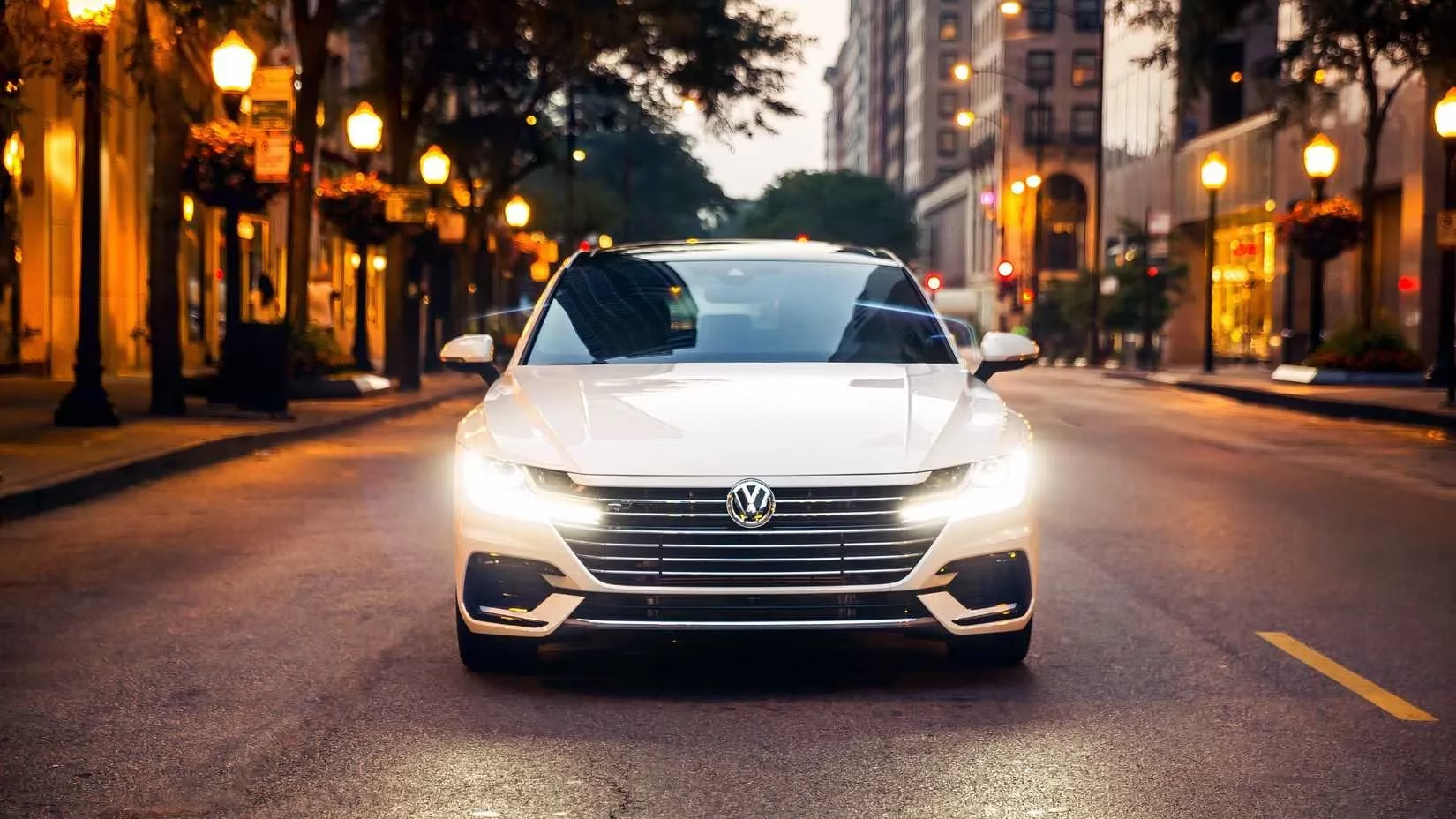
But here's the twist, and this is my favorite part of the whole Arteon story. Its initial commercial journey might have been underwhelming, but fast forward to 2026, and it's having a glorious second act on the used market. Talk about a plot twist! The Arteon went through the wrong door at the wrong time when it was new, but now? It's a certified sleeper gem.
What was a $45,000 to $48,000 car new can now be had for a fraction of that. Let's break it down with a real example:
| Model Year & Trim | Original MSRP (approx.) | 2026 Used Price Range |
|---|---|---|
| 2019 SEL Premium R-Line | $46,210 | $14,649 - $22,590 |
Data based on current market trends and historical listings.
That, my friends, is what I call a steal. But the appeal isn't just the price tag. The Arteon still delivers everything it promised from day one:
-
Impressive Space: That roomy rear seat and practical hatchback liftgate are still unbeatable in the segment.
-
Premium Features: Heated/ventilated seats, digital cockpits, advanced safety tech—it's all there.
-
Engaging Drive: That turbocharged punch and available AWD make it a hoot to drive.
You're getting 90% of the luxury experience for maybe 50% of the cost of a used Mercedes or BMW from the same era. The Arteon's initial struggle has created a premium buyer's market for savvy gearheads. It’s the smart, under-the-radar alternative for anyone who wants comfort, space, and refinement but doesn't feel the need to pay the 'badge tax.'
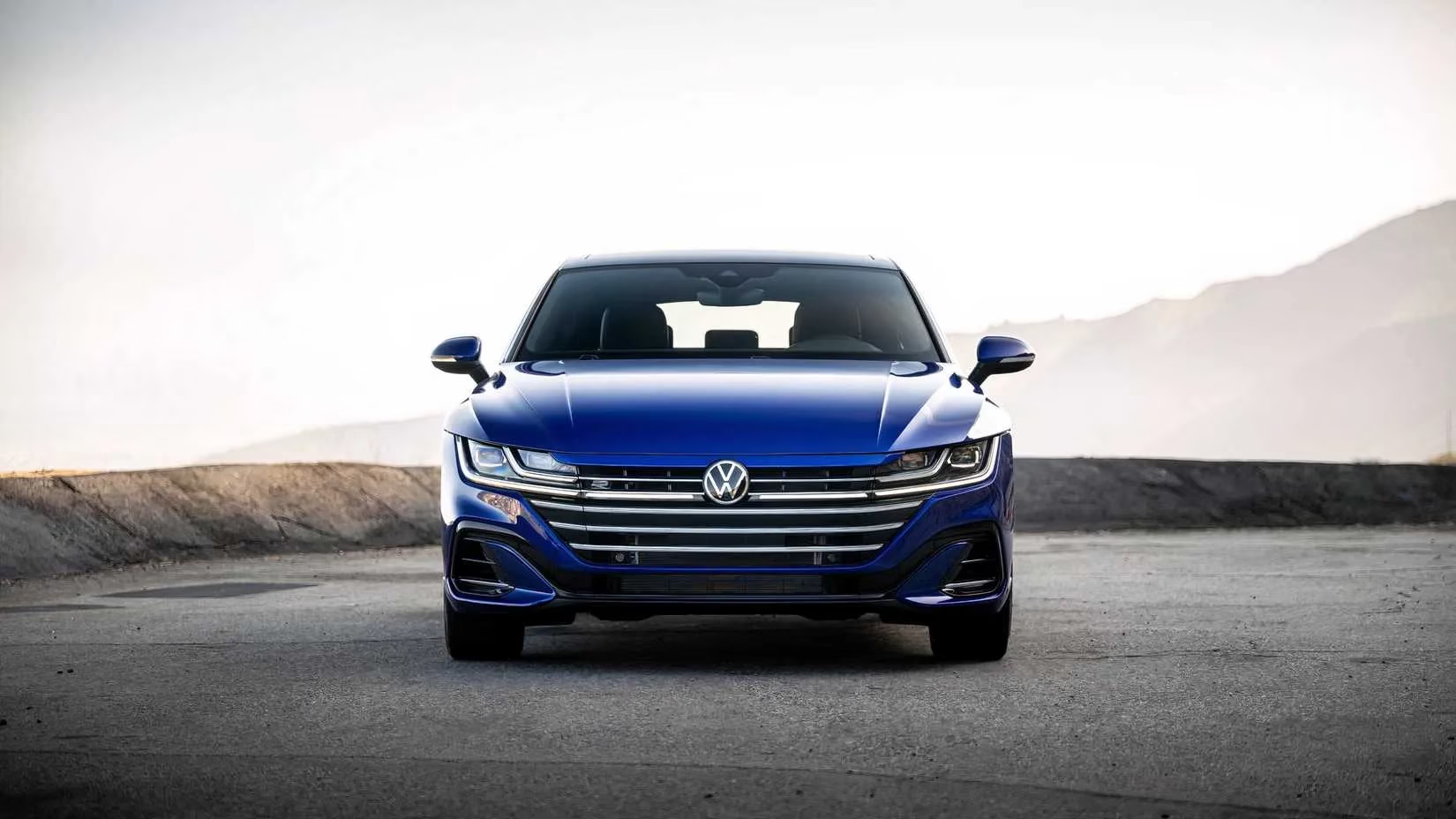
In hindsight, Volkswagen's big gamble might not have paid off at the dealership. But for us in 2026, that 'miscalculation' has blessed the used car market with one of its best-kept secrets. The Arteon is proof that sometimes, the most interesting cars aren't the biggest commercial successes. They're the ones that dared to be different, stumbled out of the gate, and then quietly waited for the rest of us to catch up and realize what we'd been missing all along. It's a humble confidence kind of car, and honestly? I think it's finally found its people.