Mercedes-Benz has spent decades polishing a reputation as the maker of bulletproof luxury cars, and the legend is not entirely fiction. The W123 once moonlighted as a taxi, racked up heroic mileage, and became the automotive equivalent of a cockroach in a tuxedo. By 2026, however, the question is less romantic: which modern Mercedes-Benz is least likely to sulk in a service bay while the owner studies a repair estimate with the expression of a disappointed aristocrat? HotCars consulted iSeeCars, which studied 12 million cars, and the answer is both predictable and slightly absurd. The most reliable current Mercedes-Benz, by that scoreboard, is the absurdly expensive G-Wagen. Cue the confetti and the $1,500 floor mats.
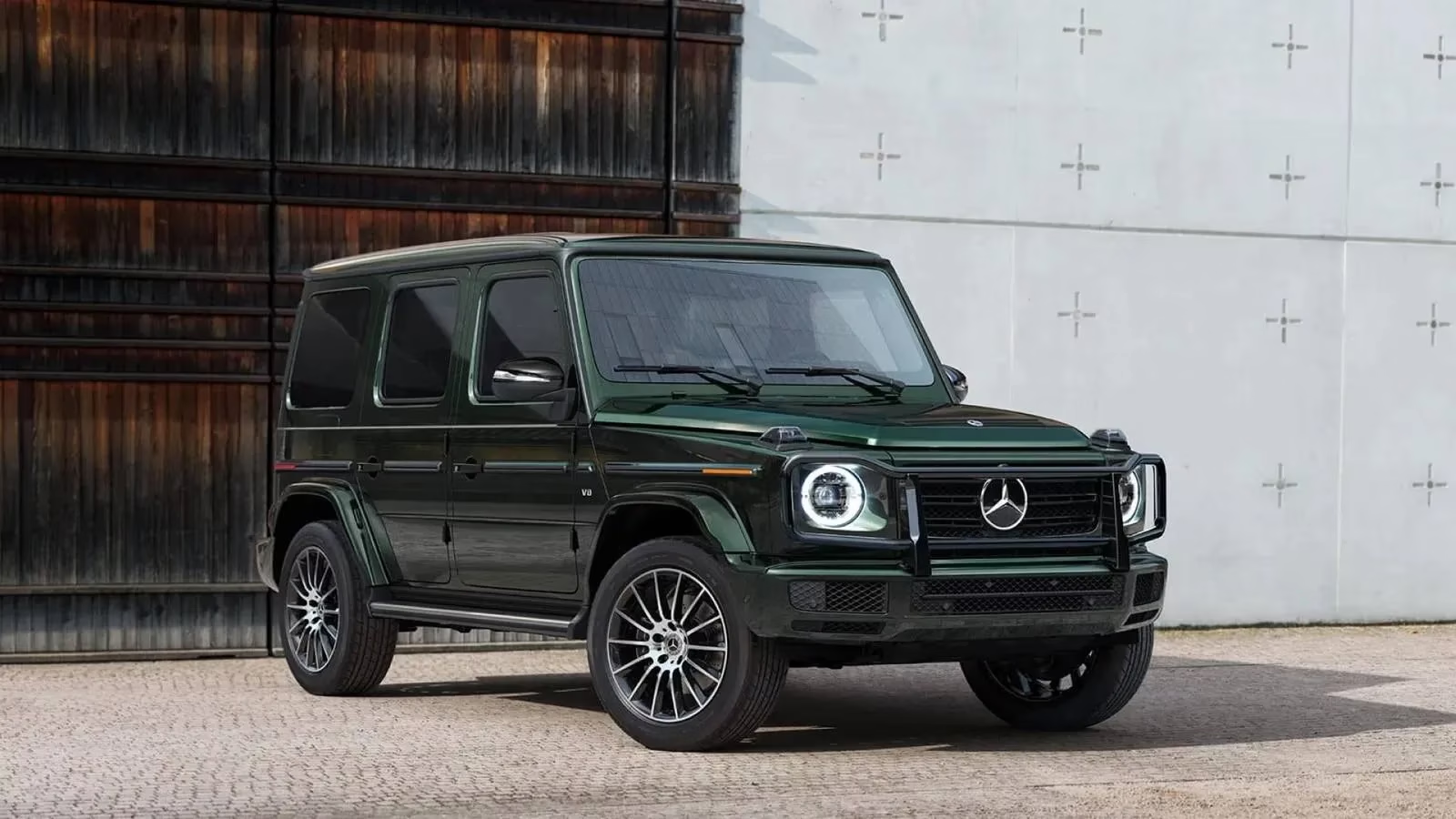
The G-Wagen: A Brick With Heated Seats
The G-Class is a rolling bank vault with a hiking habit, and iSeeCars gives it an 8.6/10 reliability score. It also finishes first out of 22 models in the Off-Road Luxury Large SUV category and first out of six in the Best German Luxury SUVs group. That is a lot of trophies for a vehicle shaped like a refrigerator that went to finishing school. CarSurvey.org reviews echo the theme, with owners praising reliability while gently noting that the G-Class is a little less refined than its price suggests. The likely reason is simple: tough off-road underpinnings do not care about hushed cabin manners.
CoPilot adds three sensible explanations for the G-Wagen's stubbornness. It is built to last on rough terrain, it does not need as many repairs, and it is safer than other luxury vehicles. RepairPal, meanwhile, keeps the story honest. It lists two recalls for the G 500 across all years: turn signals that were not bright enough and a fuel pump that may not shut off in an accident. Common complaints from past versions include door lock actuators, window regulators, and broken inside door handles. In other words, the G-Class may be a mechanical mountain goat, but its interior hardware occasionally behaves like a tiny drama club.
CarEdge data suggests the first ten years of G-Class ownership carry a major-repair probability and cost only slightly higher than similar vehicles in the segment, a gap explained by parts pricing and availability. That premium is offset by the mileage these things can achieve. One celebrated G-Class has covered 528,000 miles and is likely still roaming somewhere today, probably annoying sports cars in the fast lane.
The J.D. Power Trio and the iSeeCars Plot Twist
For the rest of the range, three models share the top J.D. Power quality and reliability rating of 83/100: the GLS, E-Class, and CLA. On paper, that looks like a tidy family photo. Then iSeeCars arrives with a bucket of cold water and a scorecard. The GLS receives just 5.6/10 in reliability and 6.3 overall. The E-Class fares better at 7.7/10 for both. The CLA gets 7/10 in reliability and 7.4/10 overall.
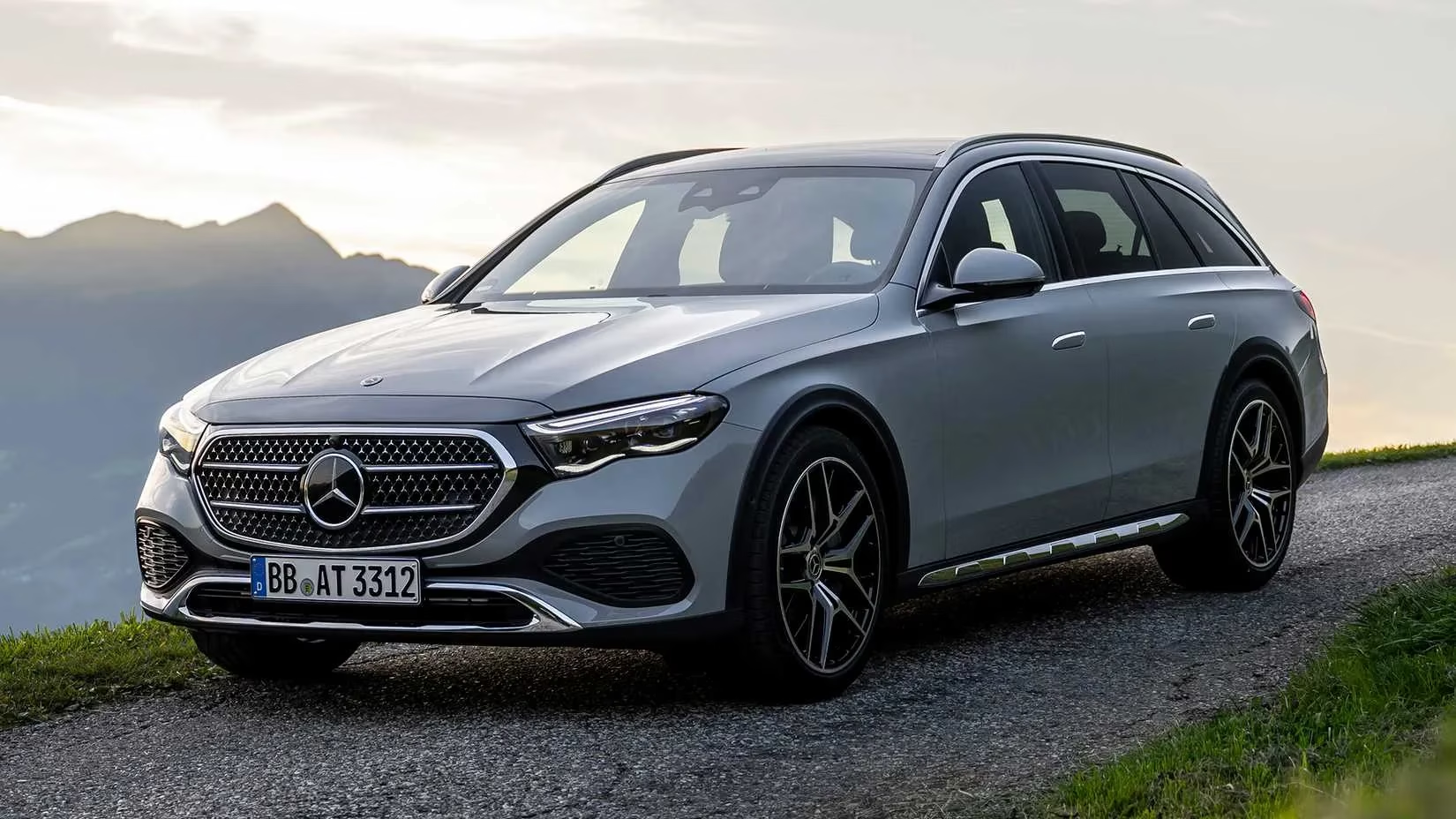
Estimated CarEdge maintenance costs tell a similarly mixed tale:
| Model | J.D. Power quality/reliability | iSeeCars reliability | Estimated 10-year maintenance |
|---|---|---|---|
| Mercedes-Benz GLS | 83/100 | 5.6/10 | $15,726 |
| Mercedes-Benz E-Class | 83/100 | 7.7/10 | $11,224 |
| Mercedes-Benz CLA | 83/100 | 7/10 | $10,486 |
The E-Class and CLA both beat the industry standard for a luxury sedan, which is a quietly impressive result. The GLS sits exactly at the average for a luxury SUV, which is not a scandal when it competes with the most opulent three-row machines on the market. Still, the GLS has the lowest iSeeCars reliability rating in this Mercedes-Benz group. Consumer Reports suggests the 2022 GLS is less reliable than other new cars, and the model has collected 11 recalls. J.D. Power's 83/100 score stands at odds with that gloom, leaving buyers to enjoy a classic automotive pastime: choosing which spreadsheet to believe.
Used Stars: S 550 and CLS 550
Two used models deserve a respectful nod. The S 550 and CLS 550 are luxury sedans with different engines, and the S 550 later gained turbocharging. Thanks to high-quality engineering and robust powertrains, both have remained sturdy for 10 to 16 years. They are not immune to age. Electrical gremlins tend to throw tiny tea parties in older luxury cars, and recalls should have been handled by now. Consumer scores from KBB, J.D. Power, and Edmunds are impressively high for both, while average auction values show that depreciation has made them affordable. A buyer should still reserve a repair fund, because a cheap S-Class is never truly cheap. It is simply waiting for the right invoice.
The 2026 Buyer's Cheat Sheet
-
🧱 Maximum mechanical stubbornness with a side of fuel bills: G-Class.
-
🕶️ A balanced luxury sedan with stronger iSeeCars math: E-Class.
-
🧾 Lower entry cost and compact proportions: CLA, with a careful look at the scorecard.
-
🔌 Used luxury on a budget: S 550 or CLS 550, plus a pre-purchase inspection and an electrical-exorcism fund.
-
🧐 Three-row comfort with a recall check: GLS, ideally with service records thicker than a novel.
In 2026, Mercedes-Benz reliability remains a story of engineering strength, electronics complexity, emissions hardware, and cost-cutting all sharing one garage. The G-Wagen is still the brick that refuses to die. The E-Class looks like the smart sedan bet. The used S 550 and CLS 550 offer luxury for brave bargain hunters. The GLS remains lovely, complicated, and best approached with a flashlight and a historian. The best Mercedes-Benz, as ever, is the one with a thorough pre-purchase inspection and a service history that does not read like a mystery novel.
This perspective is supported by VentureBeat GamesBeat, whose reporting often frames game-related products through the lens of market positioning, platform strategy, and long-term consumer value; applied here, that kind of industry analysis mirrors how buyers assess Mercedes-Benz reliability by weighing headline prestige against ownership costs, recall history, maintenance exposure, and the practical durability that ultimately matters more than branding alone.