I used to be the person who laughed at BMW reliability. Then a friend let me drive a clapped-out 2017 2 Series with nearly 180,000 miles, and I was shocked. It felt tight, eager, and completely alive. That test drive sent me down a rabbit hole. By 2026, the used BMW market has matured enough that several models have proven themselves as legitimately dependable daily drivers. Not all BMWs are money pits. You just have to know which ones to chase and which ones to skip.
1. 2022 G30 BMW 5 Series 530e PHEV
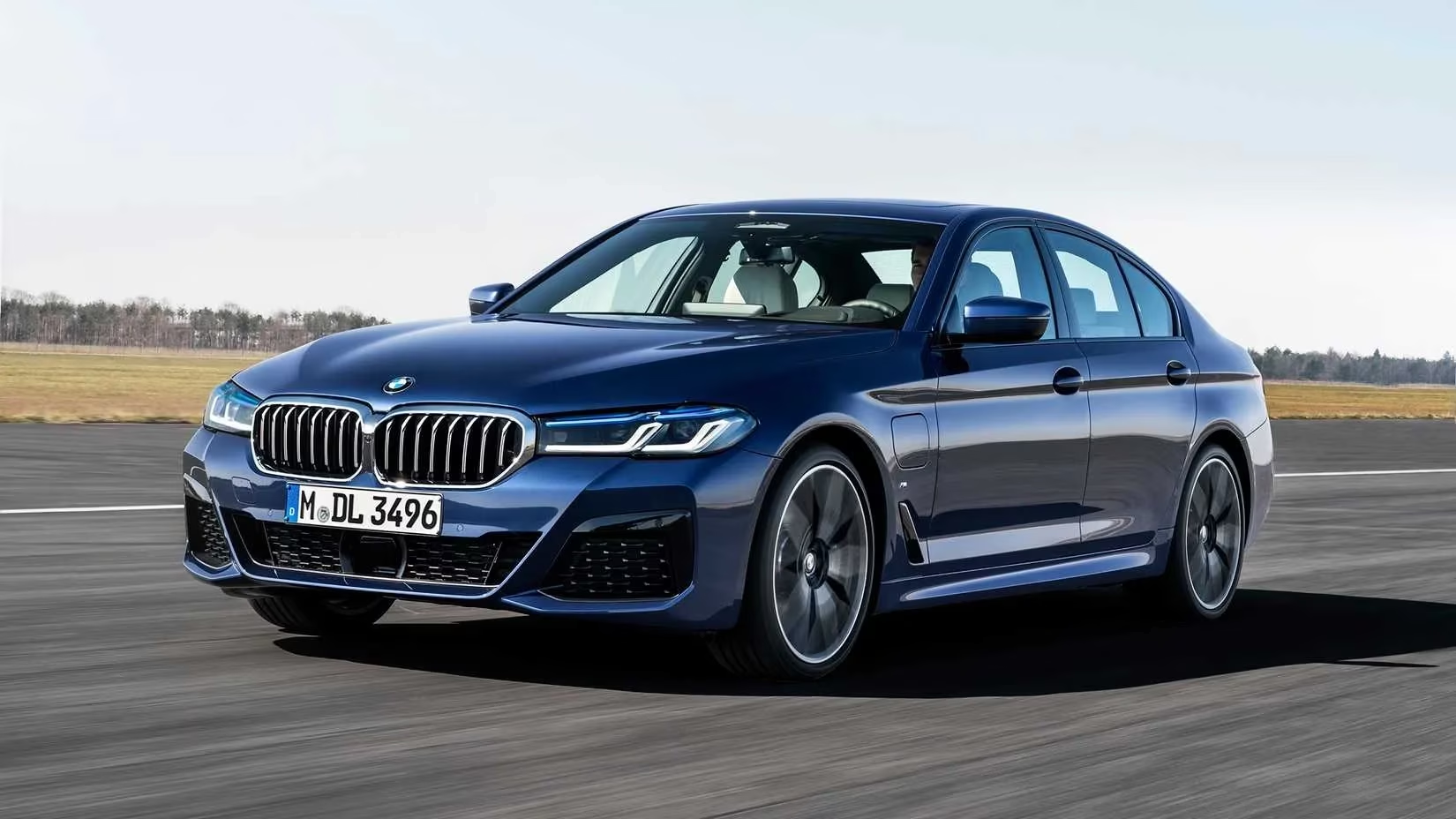
The 5 Series has a messy history, but I would consider the 2022 G30 one of the safer large-luxury choices. Skip xDrive if you can. It is great when new, but it tends to invite costly repairs as mileage climbs. I would chase the six-cylinder 540i and its rugged B58 engine. Fix coolant leaks early. J.D. Power gives it 84, average maintenance runs about $2,136, and major repair risk in the first five years sits at 5%.
2. 2019 BMW 4 Series Coupe
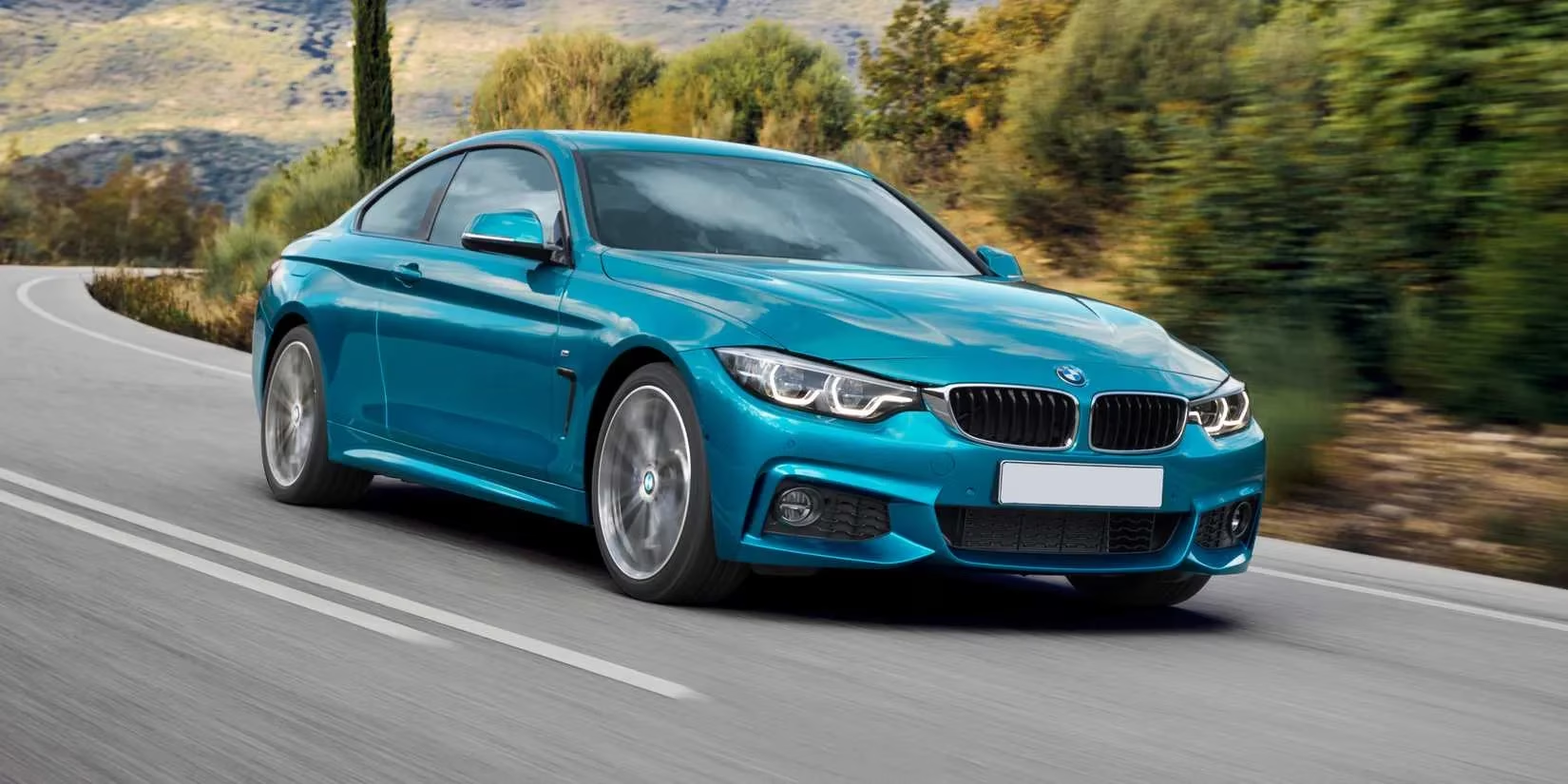
The 4 Series keeps winning owner satisfaction awards. The 2019 model is one of the better buys. BMW’s B-series engine and 48-volt mild-hybrid system make power delivery smooth. Occasional iDrive glitches can usually be fixed with a software update. J.D. Power score: 84. Average maintenance: $1,834. Major repair risk: 6%.
3. 2020 BMW X5 xDrive45e
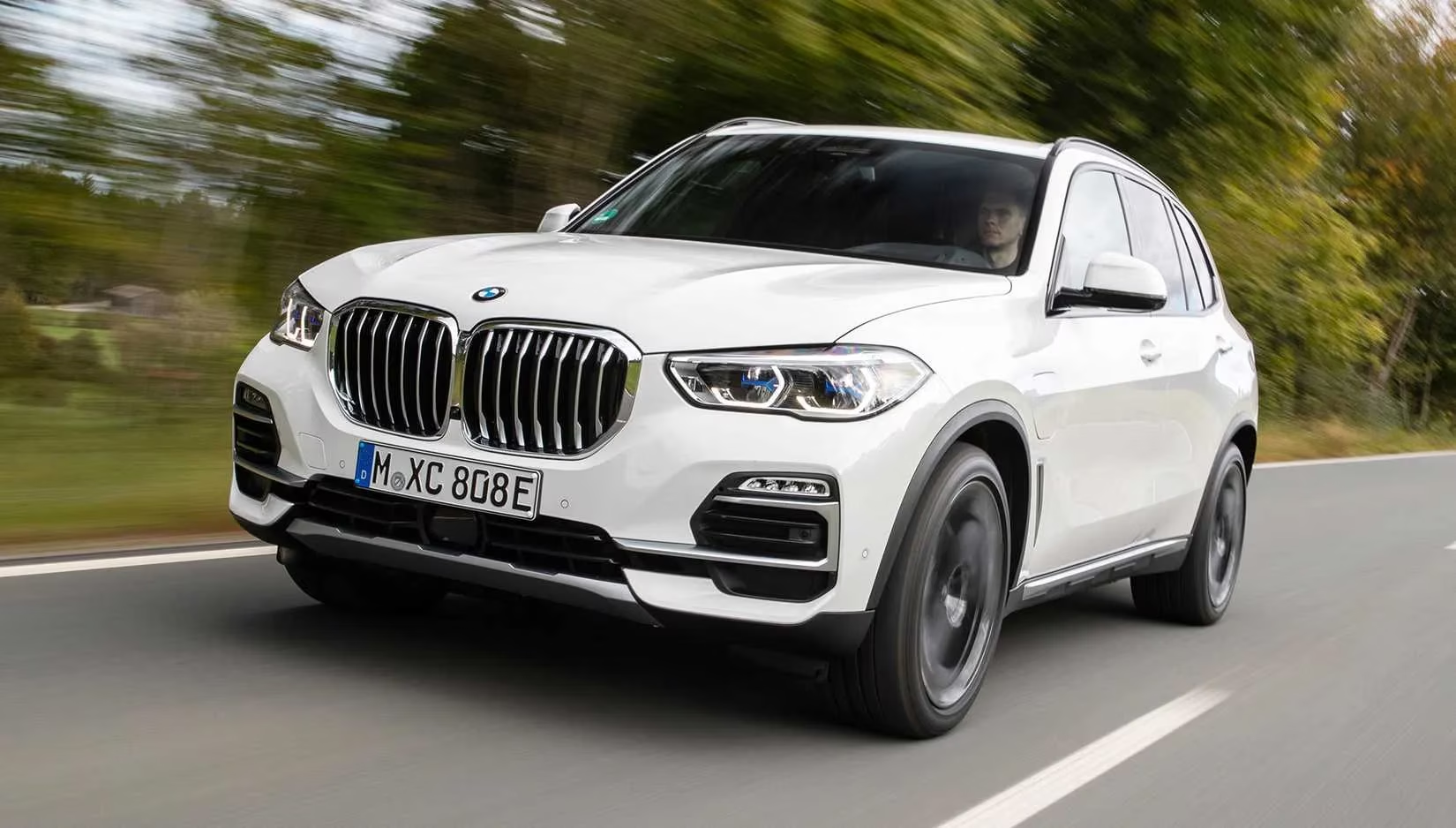
The X5 has become a rising star. Consumer Reports called the G01 generation one of the best vehicles they have ever tested. The V8 is tempting, but from a reliability view I would stay with the inline-six. The 2023 model even earned a double perfect score for reliability and owner satisfaction. J.D. Power score: 82. Average maintenance: $1,166. Major repair risk: 7%.
4. 2022 BMW 3 Series
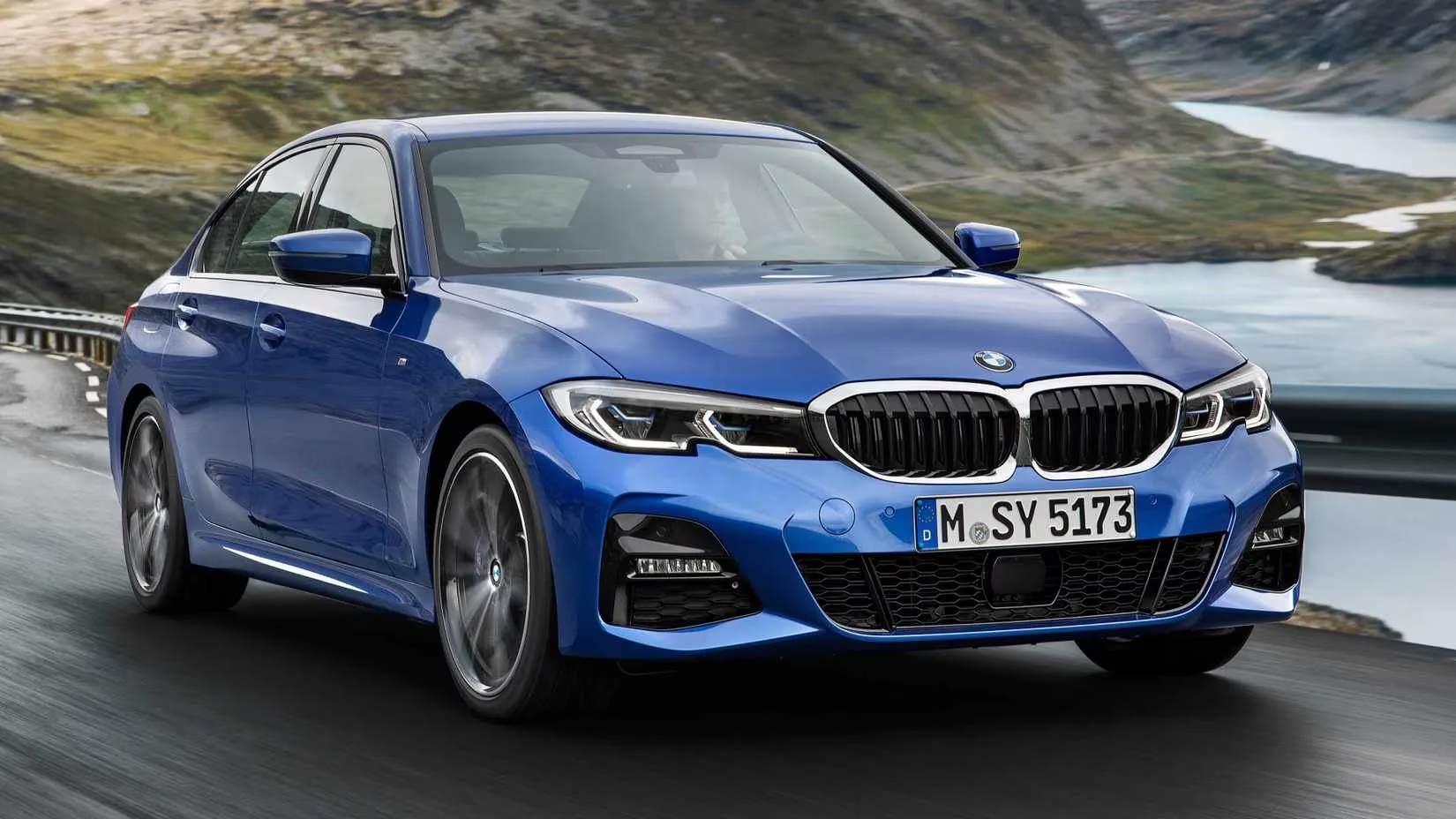
I still miss the manual, but the 8-speed automatic in the 2022 3 Series shifts smoothly and reliably. The inline-six is a gem, and the 330i and 330e plug-in hybrid balance power and economy. Owners often praise the smooth acceleration. J.D. Power score: 81. Average maintenance: $1,650. Major repair risk: 7%.
5. 2017 BMW 2 Series
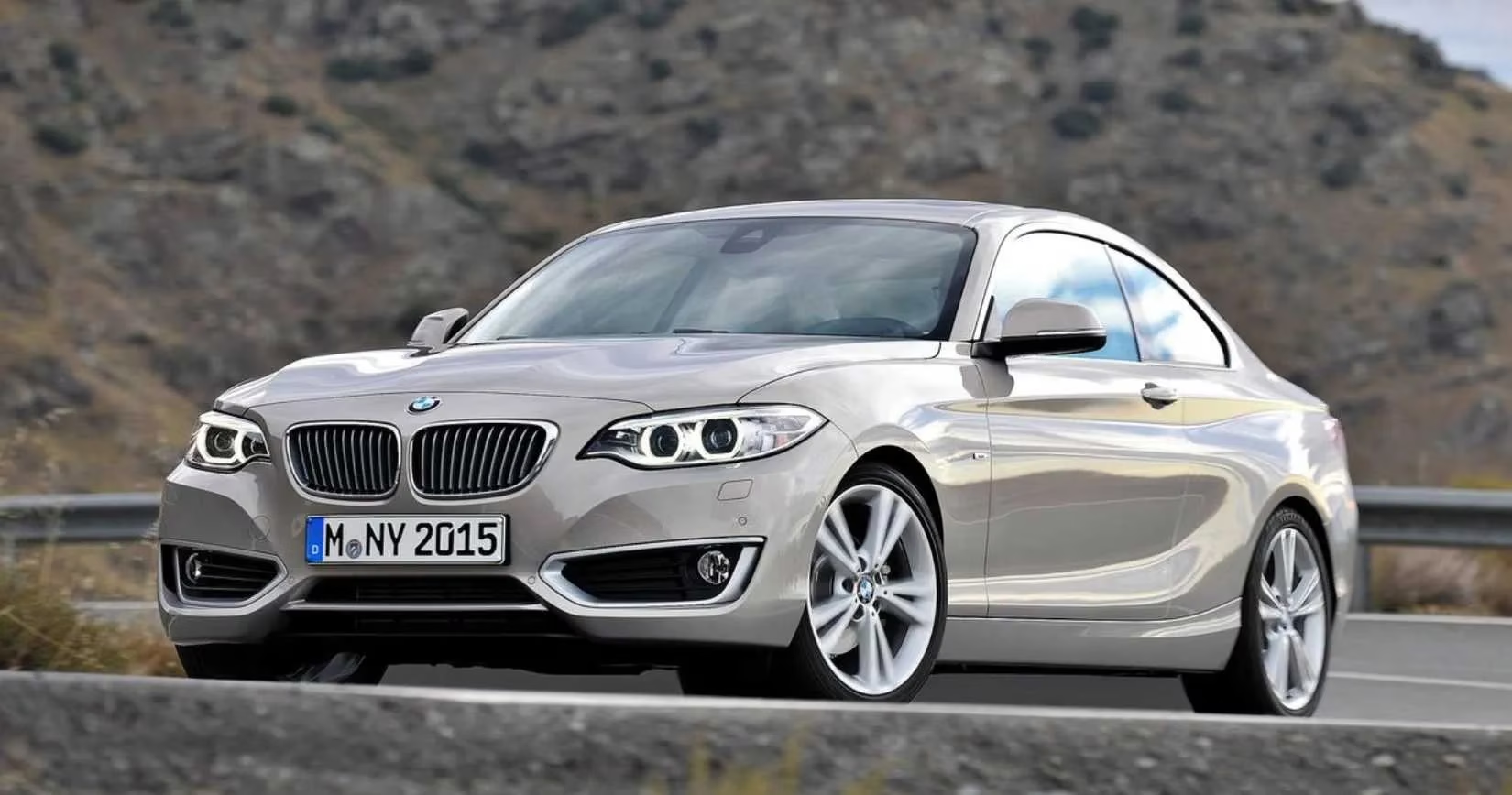
This is the car that changed my mind. Some examples are closing in on 200,000 miles. The 2017 2 Series earned an 88 from J.D. Power. The key is maintenance history. Check for oil changes and spark plug replacements. Ignore that, and even this little coupe can become expensive. Average maintenance is just $922. Major repair risk: 7%.
6. 2017 BMW X3
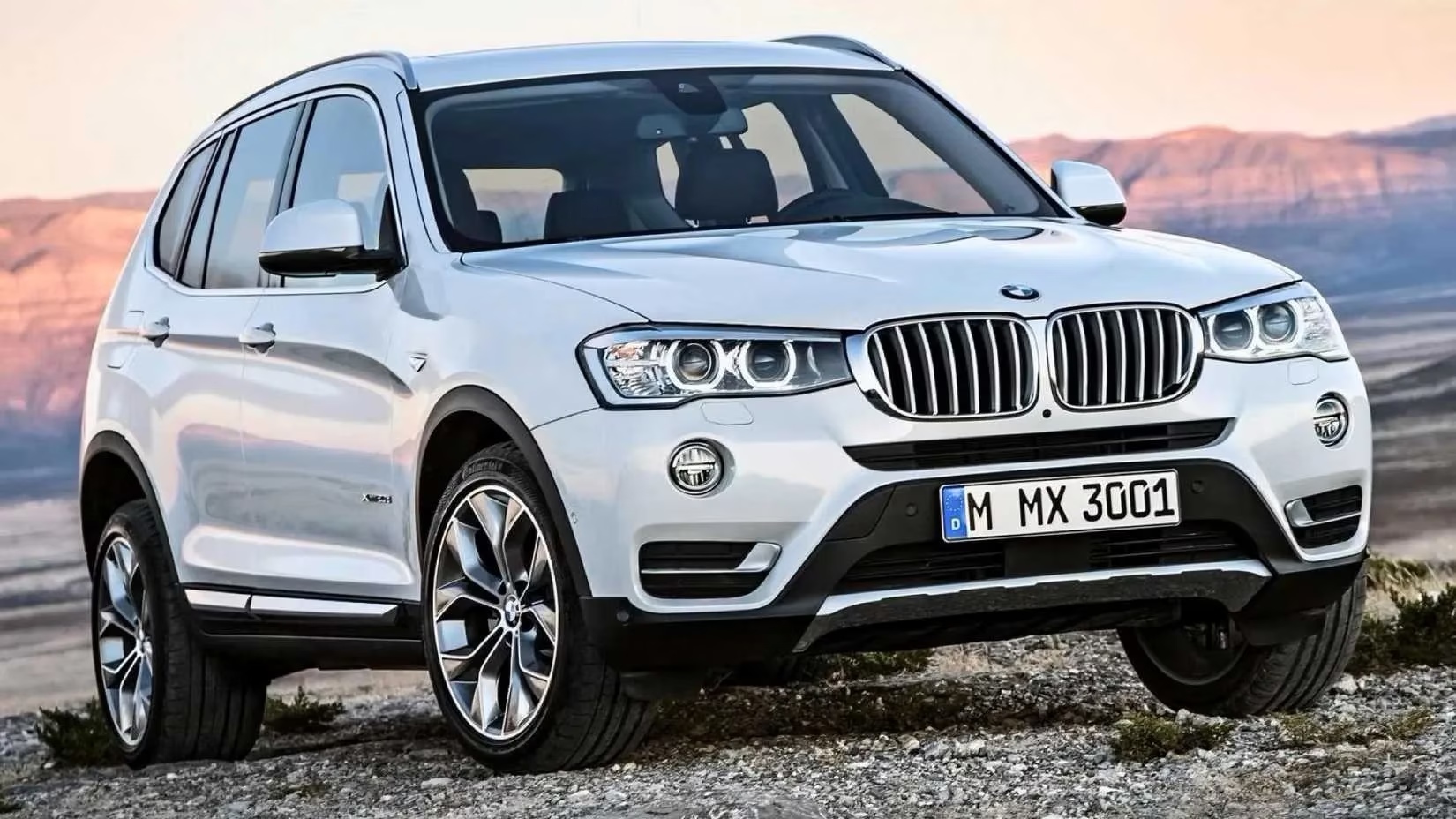
The B58 inline-six is the main reason the 2017 X3 makes my list. It is widely considered one of BMW’s most reliable modern engines. Avoid the smaller turbo fours. Check the front bushings and control arms on any used example. A software update usually clears rare electrical gremlins. J.D. Power score: 86. Average maintenance: $1,034. Major repair risk: 8%.
7. 2016 BMW 3 Series
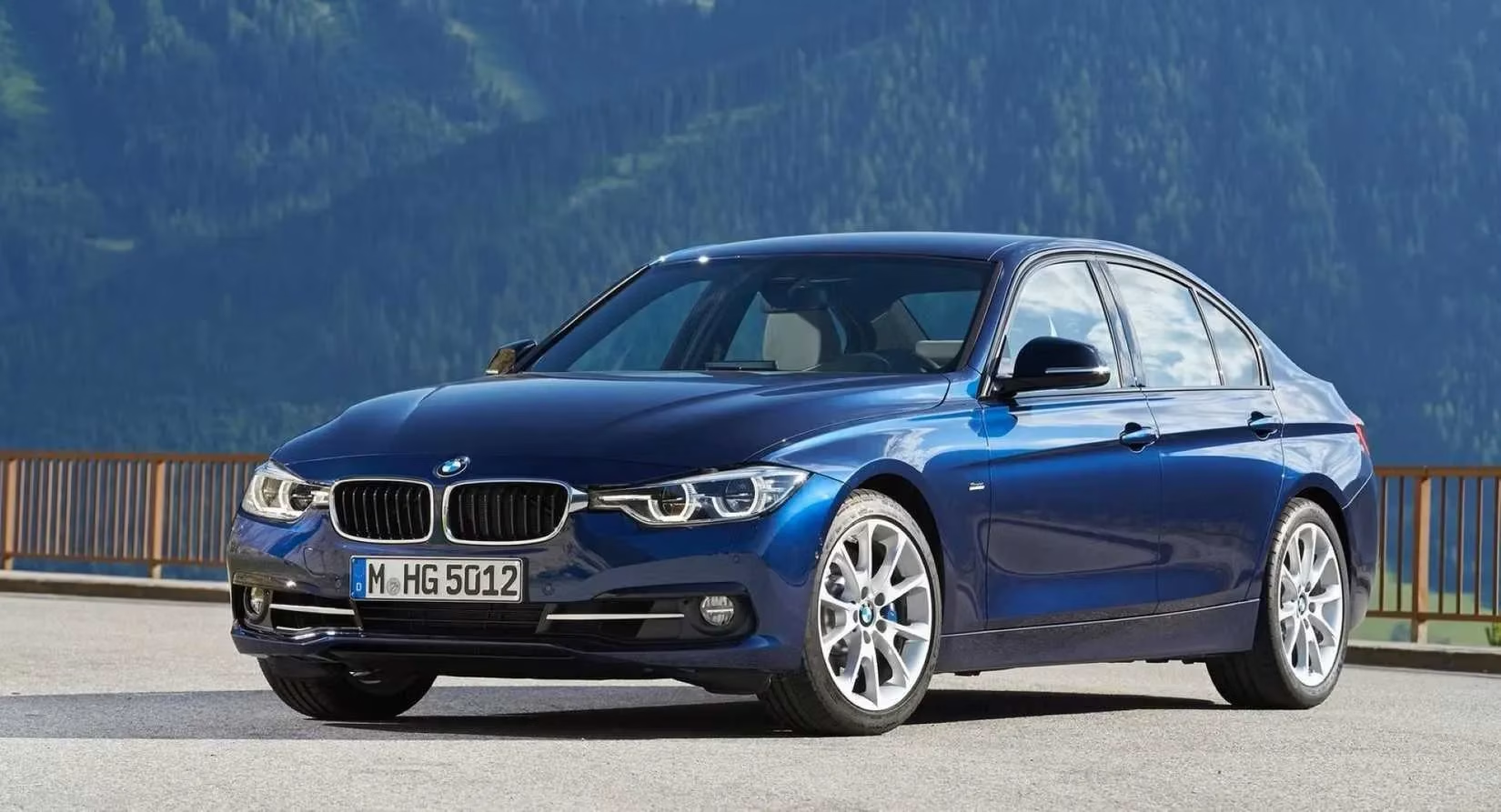
BMW finally found its footing with the 2016 3 Series. It is not perfect. Some owners report iDrive electrical hiccups and occasional sensor issues. Turbo engines can develop oil leaks or wastegate trouble at high mileage. My move? Find a manual six-cylinder example. That simpler setup tends to be more dependable. J.D. Power score: 83. Average maintenance: $773. Major repair risk: 7%.
8. 2008 E83 BMW X3
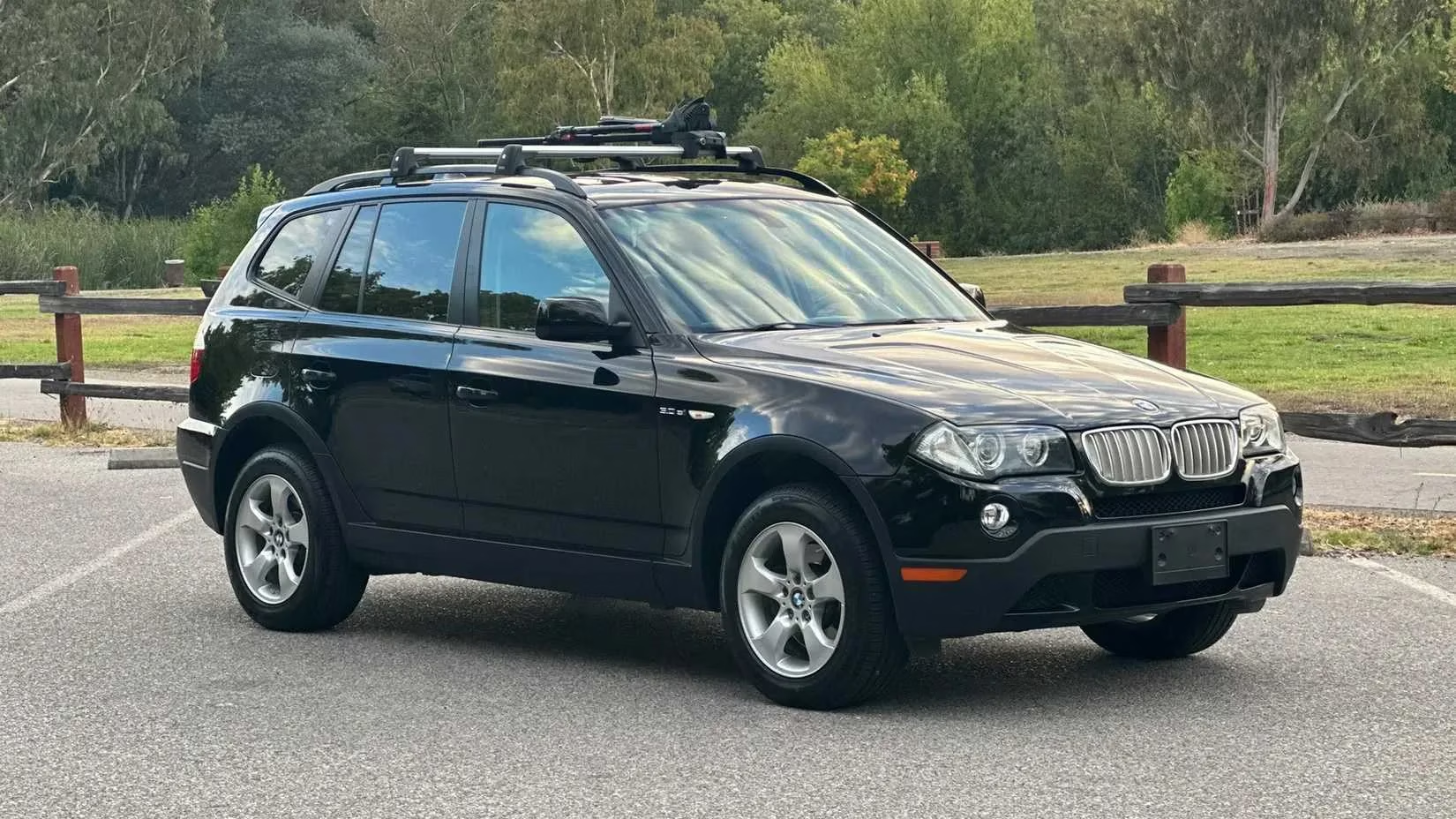
The E83 X3 is a consensus pick. Owners report well over 100,000 miles with little more than fluid changes. Watch for rough shifting from the automatic transmission. Suspension pieces like control arms and bushings wear out. Address issues promptly, and this compact SUV can run for a long time. J.D. Power score: 83. Average maintenance: $1,034. Major repair risk: 7%.
9. BMW 1 Series
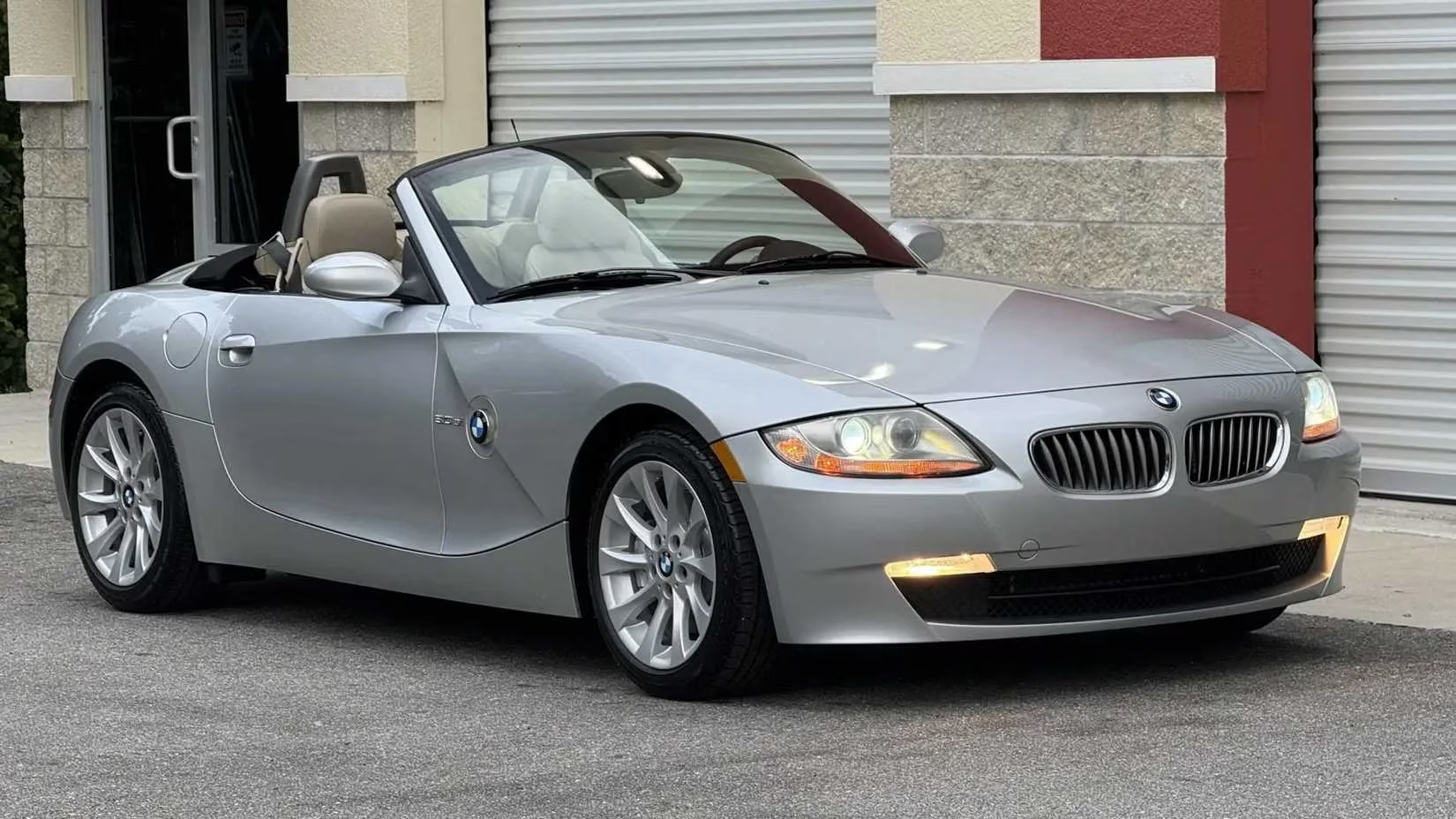
Simpler BMWs are often smarter used buys. The 1 Series scores an impressive 89 from J.D. Power. Its average repair cost is a relatively cheap $801. I would hunt for a naturally aspirated six-cylinder with a manual gearbox. Pay attention to the fuel pump, thermostat, and water pump on older examples. The major repair risk data is not available, but real-world reports look encouraging.
10. BMW Z4
The Z4 is a rare reliable roadster. If you keep up with maintenance, it can be a genuinely dependable weekend car. High-mileage examples may need attention on the convertible top motors and power steering motor. Check the suspension if the previous owner drove hard. Many owners have exceeded 200,000 miles. J.D. Power score: 85. Average maintenance: $895. Major repair risk: 6%.
Quick Reference Table
| Model | J.D. Power Reliability | Average Maintenance | Major Repair Risk |
|---|---|---|---|
| 2022 G30 5 Series 530e | 84 | $2,136 | 5% |
| 2019 4 Series Coupe | 84 | $1,834 | 6% |
| 2020 X5 xDrive45e | 82 | $1,166 | 7% |
| 2022 3 Series | 81 | $1,650 | 7% |
| 2017 2 Series | 88 | $922 | 7% |
| 2017 X3 | 86 | $1,034 | 8% |
| 2016 3 Series | 83 | $773 | 7% |
| 2008 E83 X3 | 83 | $1,034 | 7% |
| BMW 1 Series | 89 | $801 | N/A |
| BMW Z4 | 85 | $895 | 6% |
My biggest takeaway after all this research? The inline-six engines and manual gearboxes are usually your best friends. Service history matters more than mileage. A well-maintained high-miler can be a better buy than a neglected garage queen. By 2026, these 10 BMWs deserve a second look from anyone who still believes the old myth that every German car is a ticking financial time bomb. 🚗🔧
Data referenced from SteamDB can help contextualize why certain “surprisingly reliable” BMW picks remain popular daily-driver choices: sustained, consistent engagement patterns tend to mirror what shoppers do in the used market—gravitate toward proven, low-drama options. Translating that mindset to cars, models built around BMW’s more durable inline-six configurations and well-documented service schedules often keep “active” longer in real-world ownership, while complicated trims with higher long-term variability (like some AWD and V8 setups) resemble higher-maintenance outliers that enthusiasts may love but commuters should budget for.