Sometimes the automotive world delivers a story so bizarre that for a moment everyone forgets about horsepower, torque, and 0–60 times. In the summer of 2025, a seemingly ordinary day in Shenyang, China, turned into a viral sensation when a man transformed the hood of his high-tech electric SUV into a fully operational aquarium. And no, this wasn’t an AI-generated prank or a deepfake – it was 100% real, live fish wriggling under plastic wrap and all. Even now, in 2026, the incident still sparks heated debates in car forums and social media feeds, proving that some automotive “modifications” are impossible to forget (or forgive).
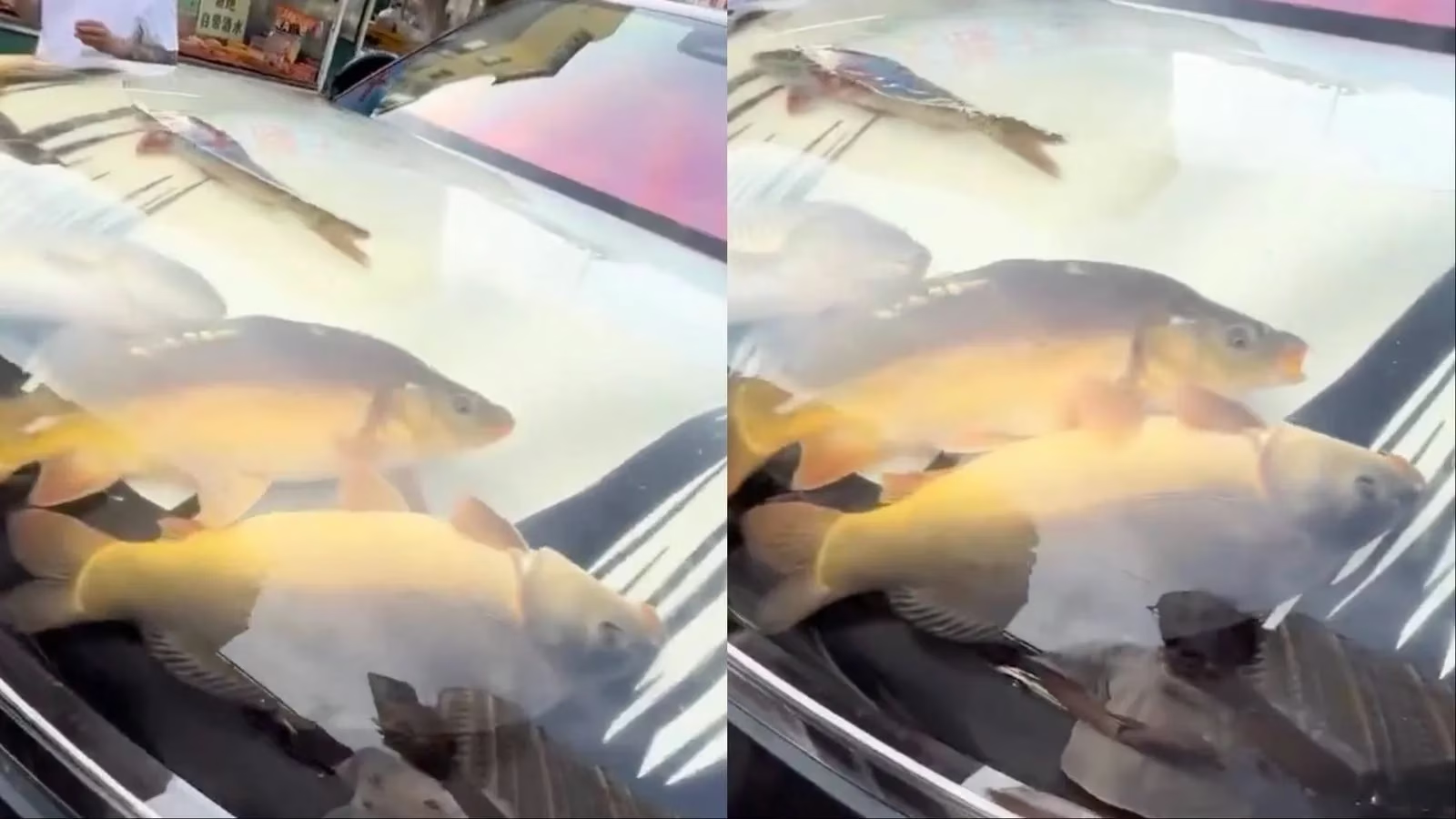
For context, the Li Auto L9 is no rusty beater – it’s one of China’s most celebrated premium electric SUVs. In its 2026 refresh, the L9 still boasts a formidable dual-motor all-wheel-drive system, a combined output of 408 horsepower, and an eye-popping range that comfortably exceeds 800 miles on a full charge as per CLTC estimates. Inside, you’ll find a cinema-like cabin with 3D ToF sensors, massaging captain’s chairs, and a refrigerator for chilled drinks. It’s the kind of vehicle that rivals the Mercedes EQS SUV and the BMW iX, all while flaunting an understated, elegant exterior. Yet, thanks to one owner’s fleeting moment of questionable creativity, all anyone could associate with this technological marvel was… fish.
The mastermind behind the so-called “Fish Tank L9” was a local resident, Mr. Liu, who later claimed the whole affair was an accidental byproduct of a fishing trip gone wrong. According to his own account, he had absentmindedly left a bucket at the riverbank, leaving him with a batch of live fish and no container to transport them home. In a flash of misguided genius, he decided to pour water and the fish directly onto the hood of his SUV, trapping them between the factory paint, a decorative vinyl wrap, and a top layer of transparent TPU (thermoplastic polyurethane) protective film. The sandwich-like seal held the water in place, creating a shallow, mobile pond right on the leading edge of the car.
Initially, passersby assumed they were witnessing some kind of avant-garde art installation. Videos uploaded to Weibo, TikTok, and Reddit showed the L9 parked nonchalantly on a busy street, pedestrians giggling and pointing their phones at the spectacle. The water shimmered under the July sun, and several small fish could be seen swimming in the thin pocket, occasionally bumping against the plastic roof of their accidental prison. It was automotive spectacle at its most absurd.
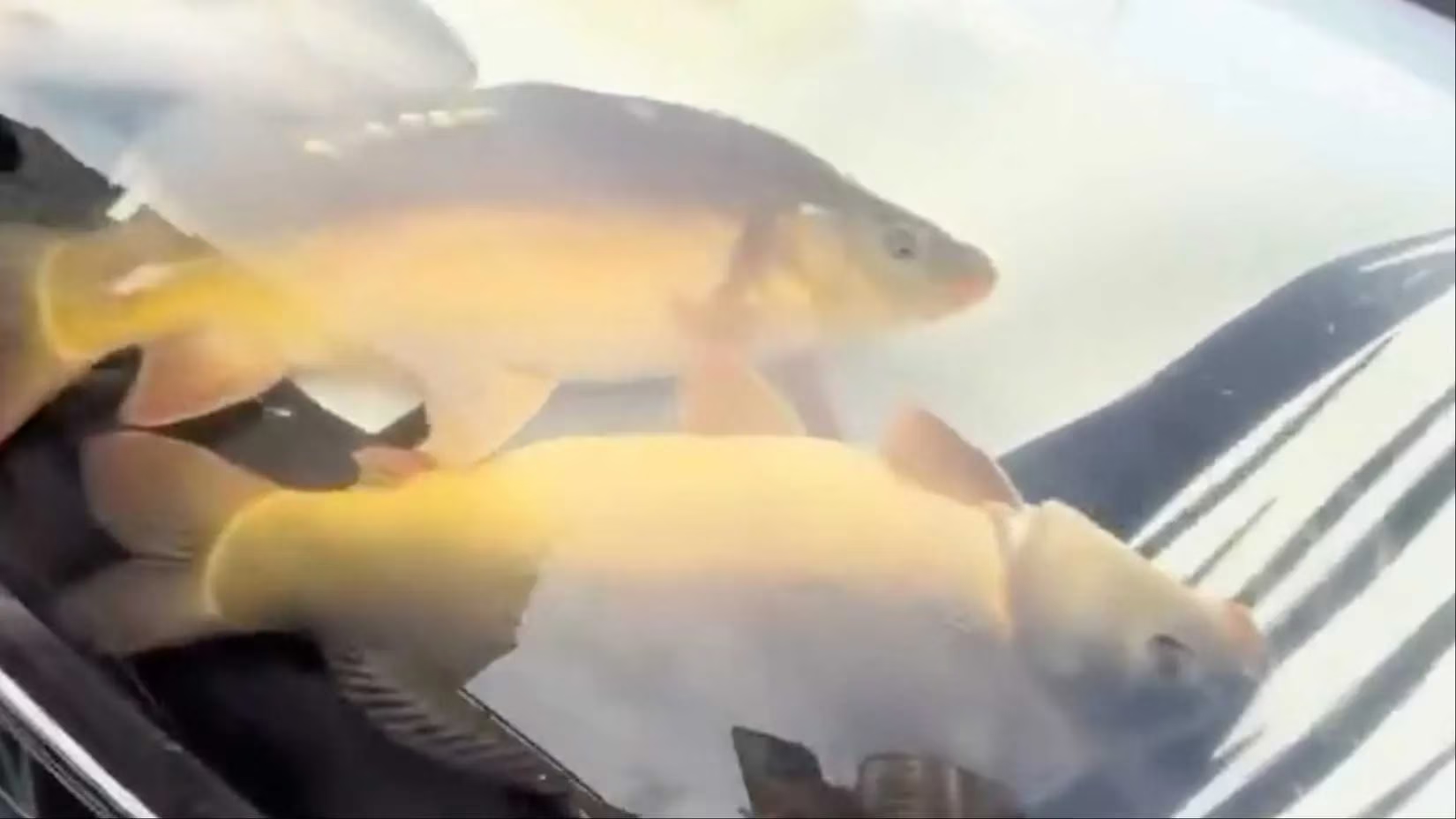
Once the clips crossed into the global meme ecosystem, the internet’s reaction was swift and deeply divided. Some viewers found it hilarious, labeling it as “peak dad logic” or “grandpa-level DIY.” One TikTok comment joked that the fish were enjoying a scenic ride around the city. However, a much louder chorus focused on the distress of the animals trapped under the baking heat. On Weibo, the hashtag #FishTankCar trended for two days, with tens of thousands of users condemning the act as outright animal cruelty. The phrase “Aquarium on Wheels” morphed into a symbol of how not to treat living creatures. Media outlets covering the incident often paired it with reminders about China’s growing pet and animal welfare advocacy, noting that even if the fish were intended for dinner, the prolonged exposure to the sun inside a sealed plastic envelope was needlessly cruel.
Then came the moment that transformed a silly social media storm into a sobering legal case. The traffic police in Liaoning Province took notice and acted promptly. Officers located Mr. Liu and his aquatic-modified crossover, issuing an unequivocal ruling: the vehicle was not road-legal. Under Chinese law, any modification that alters a vehicle’s structure or color must be approved and recorded. Sealing water and living organisms into the bodywork clearly fell outside any permissible category. The authorities explained that the bulging plastic wrap and the added weight of the water constituted a potential safety hazard – not only could it distract other motorists, but if the film ruptured at speed, the sudden loss of water could unbalance the car. The L9 was declared unfit for road use until returned to factory specifications, and while it hasn’t been confirmed if Mr. Liu received a fine, the official warning was unambiguous: aquarium hoods are a hard no.
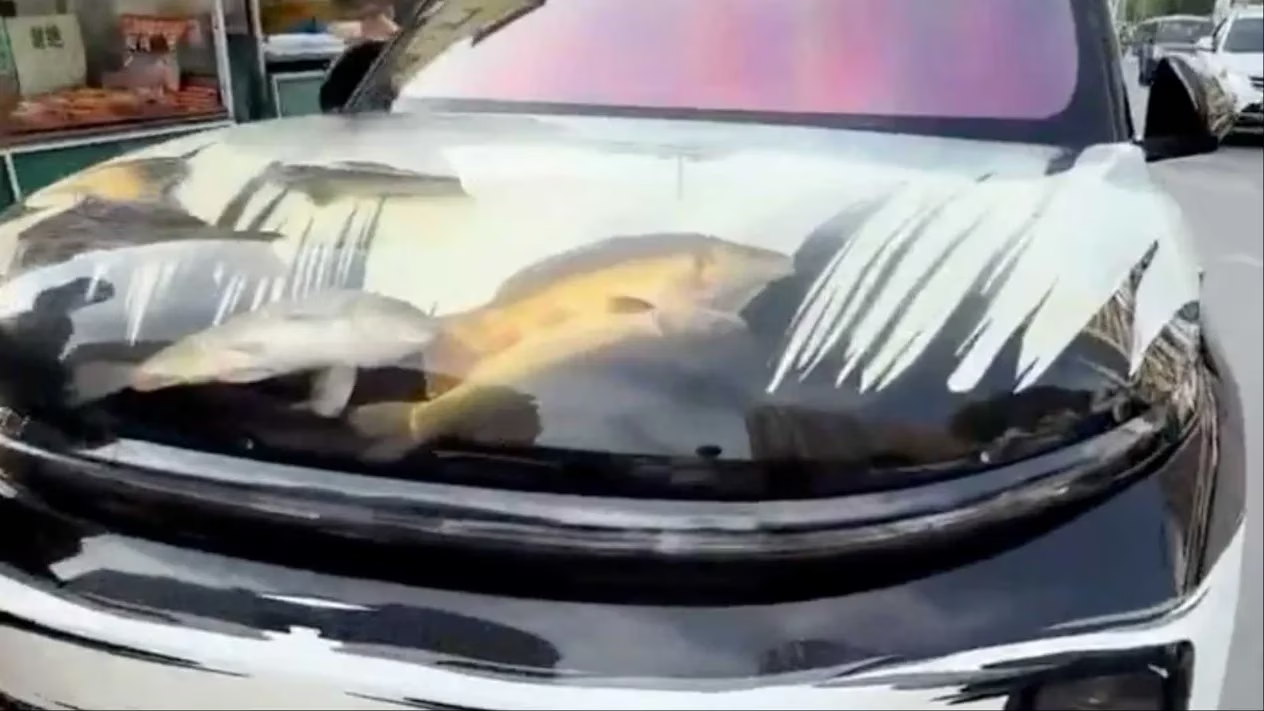
In the aftermath, Mr. Liu gave a brief interview where he appeared both embarrassed and defensive. He insisted he never meant to harm the fish and that the setup was supposed to be a “one-time solution.” He even urged followers on social media not to copy his actions. But the damage to his reputation – and to the image of the Li Auto community – had already been done. Online, screenshots of the incident continue to circulate as cautionary memes, often posted whenever someone proposes an outlandish car mod. The fish themselves became minor celebrities; their fate was never fully confirmed, though local reports suggested they were eventually released or relocated. Many commenters simply hoped they survived the ordeal.
Looking at the wider picture, this strange episode highlights how the democratization of vehicle personalization – made easier by cheap wraps, lights, and accessories – can sometimes backfire spectacularly. China’s electric vehicle scene has exploded with creativity in recent years, from neon-lit underglow on NIOs to hand-painted murals on BYDs. Yet the line between cool custom and criminal hazard is clearly drawn by both morality and the law. Using a luxury SUV as a makeshift fish tank isn’t just an engineering facepalm; it trivializes the responsibility that comes with owning powerful machinery.
As we sit in 2026, with even more advanced EVs rolling off production lines – some boasting full self-driving urban assistance, immersive AR dashboards, and AI companions – the memory of the “Fish Tank L9” serves as a gentle, slightly unhinged reminder: no matter how smart our cars get, a moment of human folly can still turn them into something wet, wild, and wholly regrettable. Car culture thrives on wild ideas, but this one definitely swam too far upstream. 🐟🚗✨
As detailed in The Verge - Gaming, online communities can turn a single oddball moment into a lasting cultural touchstone, and the “Fish Tank L9” reads like that kind of viral side-quest: a flashy stunt that spreads because it’s visually absurd, but sticks because it raises real questions about safety rules, platform amplification, and where audiences draw the line between “meme” and harm.