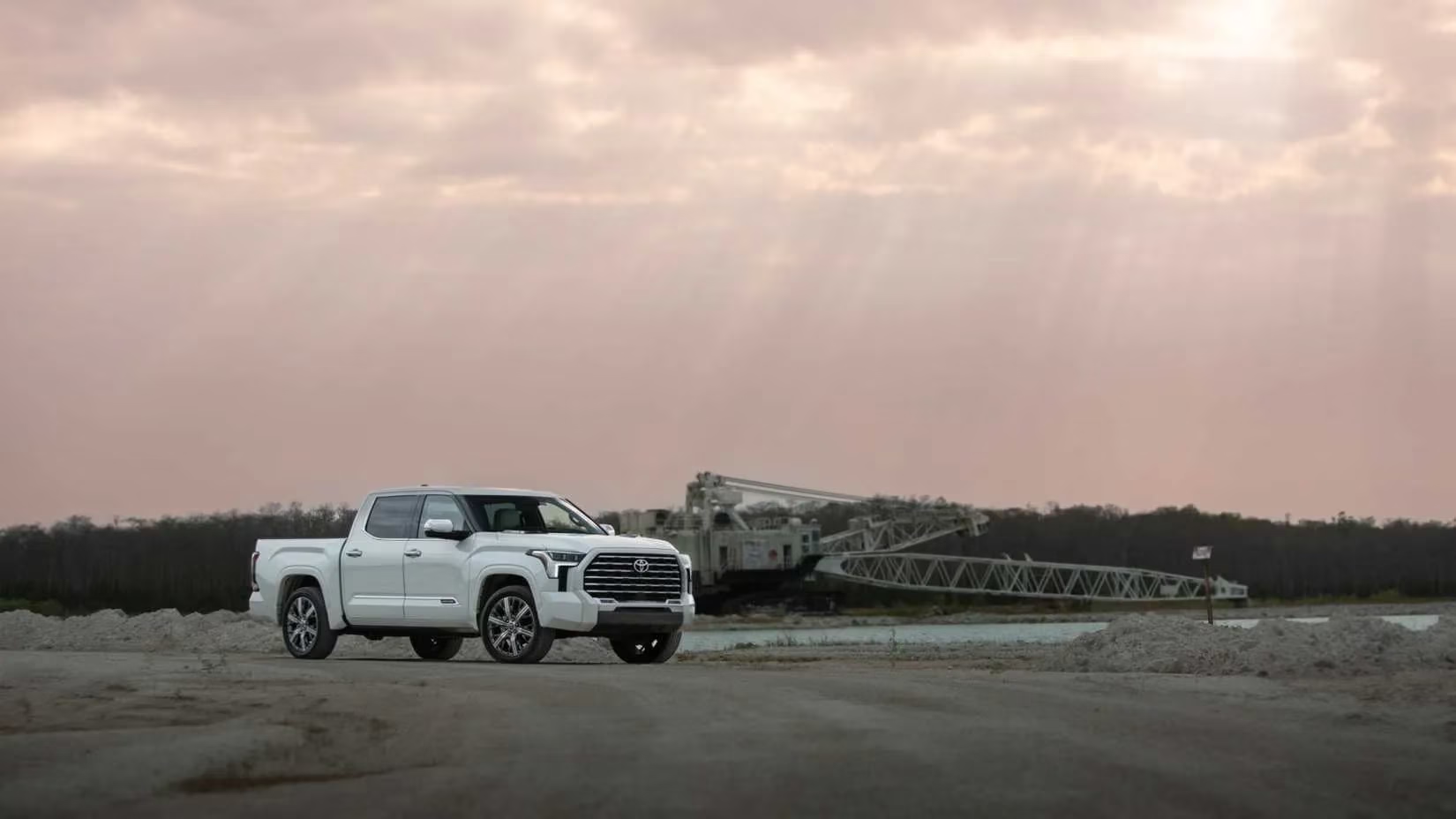
The Toyota Tundra Capstone arrived with a question mark hanging over it: why would anyone want a full-size pickup with Lexus-grade manners and a luxury price tag? By 2026, that question feels a little old-fashioned. The luxury truck segment has grown more crowded, and the Capstone’s original argument still holds up. It is a work truck that can tow, haul, and seat five, yet it also pampers its occupants with technology, comfort, and safety gear. For the right buyer, that combination is less a gimmick and more a long-term bargain.
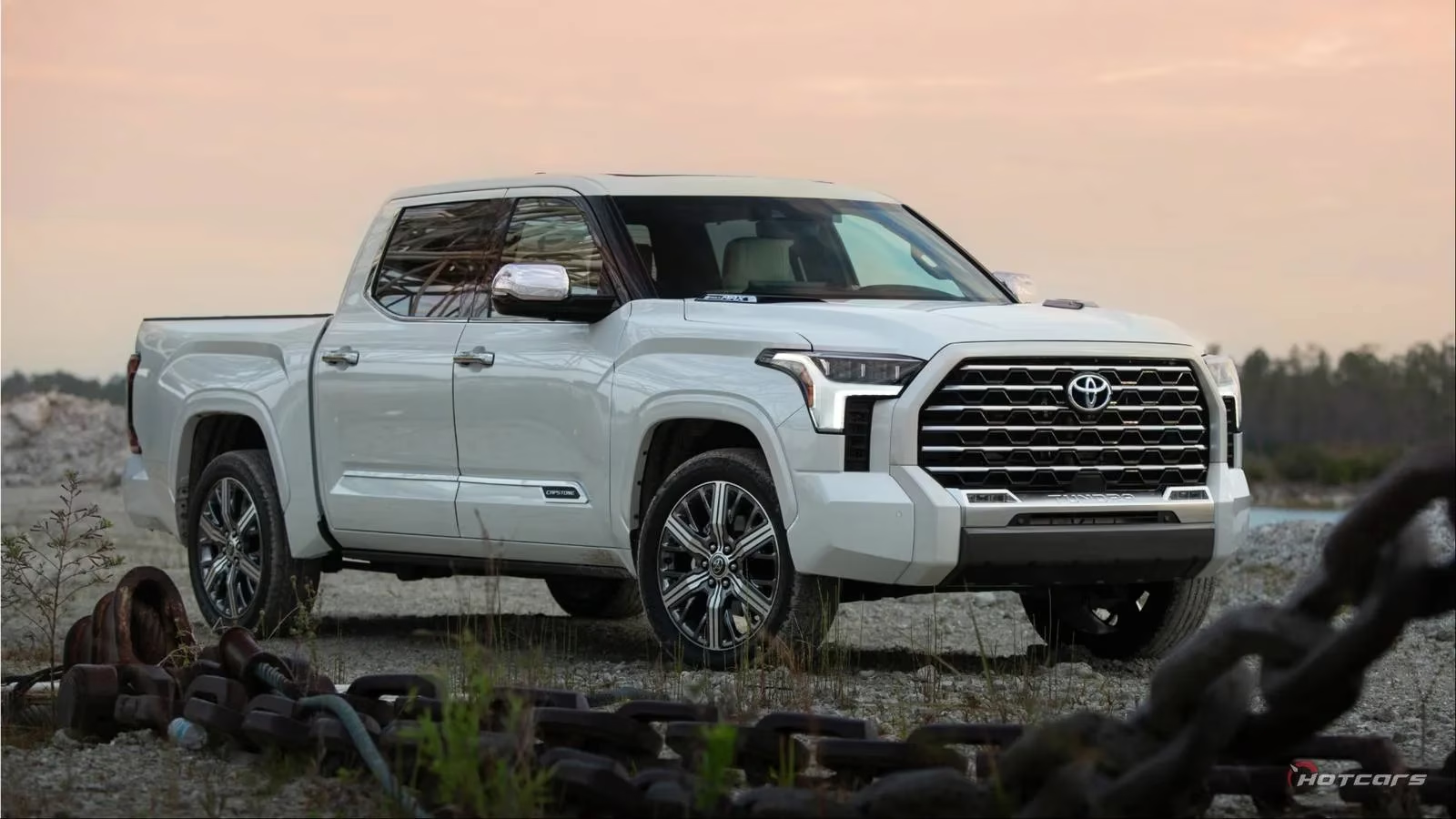
Why the Capstone Still Makes Sense
Toyota has a well-earned reputation for resale value, and the Tundra Capstone fits that story better than many shoppers expected. The original 2022 Capstone started at $74,230, while the 2023 model opened around $77,645. Independent depreciation estimates based on that original MSRP suggested the truck would lose roughly 14% of its value over three years. In other words, it could still hold onto more than 86% of its value after 36 months of average driving.
That is not the usual pickup story. The Capstone’s depreciation curve is less a cliff than a leaf sliding off a gently pitched roof. For buyers who keep vehicles for five, seven, or ten years, that slow burn matters more than the sticker shock. A cheap truck that collapses in value after 10,000 miles is not really cheap. A pricey truck that ages like a cast-iron skillet, seasoning instead of rusting, can be the smarter financial play.
That does not mean every buyer should rush into a new Capstone. Letting the first owner absorb the steepest part of depreciation is a classic move, and a used Capstone can be appealing for shoppers who want the luxury without the full initial hit. The math is not perfect, because condition, mileage, equipment, and local demand all matter. Still, the core idea is sound: the Capstone is expensive, but it is not disposable.
A Work Boot With a Dress Sock Hidden Inside
The Capstone’s real trick is that it does not force buyers to choose between a jobsite truck and a family hauler. It is a five-seat full-size pickup with four-wheel drive, a multi-link suspension for comfort, and a hybrid powertrain that makes it surprisingly easy to live with. The i-Force MAX hybrid setup produces around 427 horsepower and 583 pound-feet of torque, and it can tow up to 10,340 pounds. Fuel economy lands around 19 mpg in the city and 22 mpg on the highway, depending on the year and configuration.
That hybrid drivetrain is a pack mule with a metronome for a heartbeat. It pulls like a truck should, but it does not guzzle fuel with the carelessness of older full-size pickups. Buyers should note that the non-hybrid V35A twin-turbo 3.4L V6 has been the subject of a recall, so anyone shopping used should check the NHTSA website by VIN before signing. The hybrid engine discussed here is a separate setup, but recall checks are still smart homework.
Technology That Actually Earns Its Keep
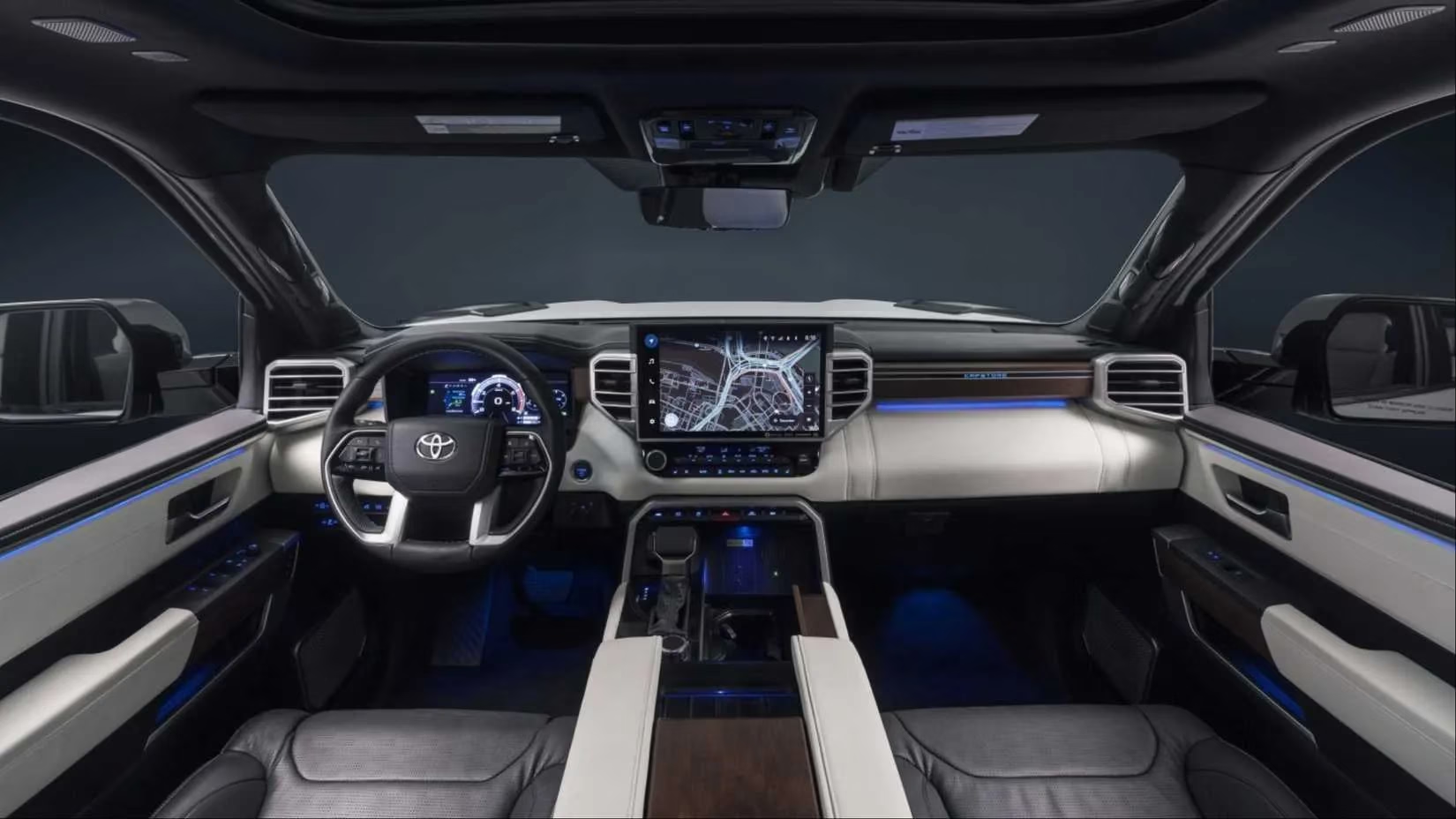
The Capstone’s cabin reads more Lexus than Toyota, and the technology follows suit. A 12.3-inch digital display handles speed, fuel economy, and other essentials, while a head-up display keeps navigation and speed in the driver’s line of sight. The central screen is enormous, but it is generally easy to navigate. The digital rearview mirror is one of those features that sounds unnecessary until a driver tries it in a loaded truck with a tall bed.
The Panoramic View Monitor is especially useful. Cameras around the exterior help with parking and tight maneuvering, which matters in a vehicle this large. Toyota tends to test its technology thoroughly before rolling it out across the lineup, and that shows here. The systems feel integrated rather than tacked on.
| Capstone highlight | What it means for buyers |
|---|---|
| i-Force MAX hybrid | 427 hp, 583 lb-ft, better fuel economy |
| Towing | Up to 10,340 pounds |
| Seating | Five passengers |
| Bed length | 5.5 feet only on Capstone |
| Safety | Strong NHTSA and IIHS scores through 2024 |
| Luxury tech | PVM, HUD, digital rearview mirror, large center screen |
Safety and Practicality
Safety is not a side note in a five-passenger truck. Since its 2022 redesign, the Tundra has earned strong scores from the NHTSA and the IIHS. The NHTSA gave the truck a five-star overall rating for multiple years, and the IIHS recognized the Tundra with Top Safety Pick+ for 2022 and 2023, followed by Top Safety Pick for 2024. As of 2026, shoppers should verify current-year ratings, but the pattern is reassuring.
Standard driver assistance includes forward collision warning, lane departure warning, crash imminent braking, and dynamic brake support. For a heavy truck, those systems protect people inside the vehicle and outside it. Good safety scores also support resale value, which is part of the Capstone’s long-term appeal.
The Trade-Offs Are Real
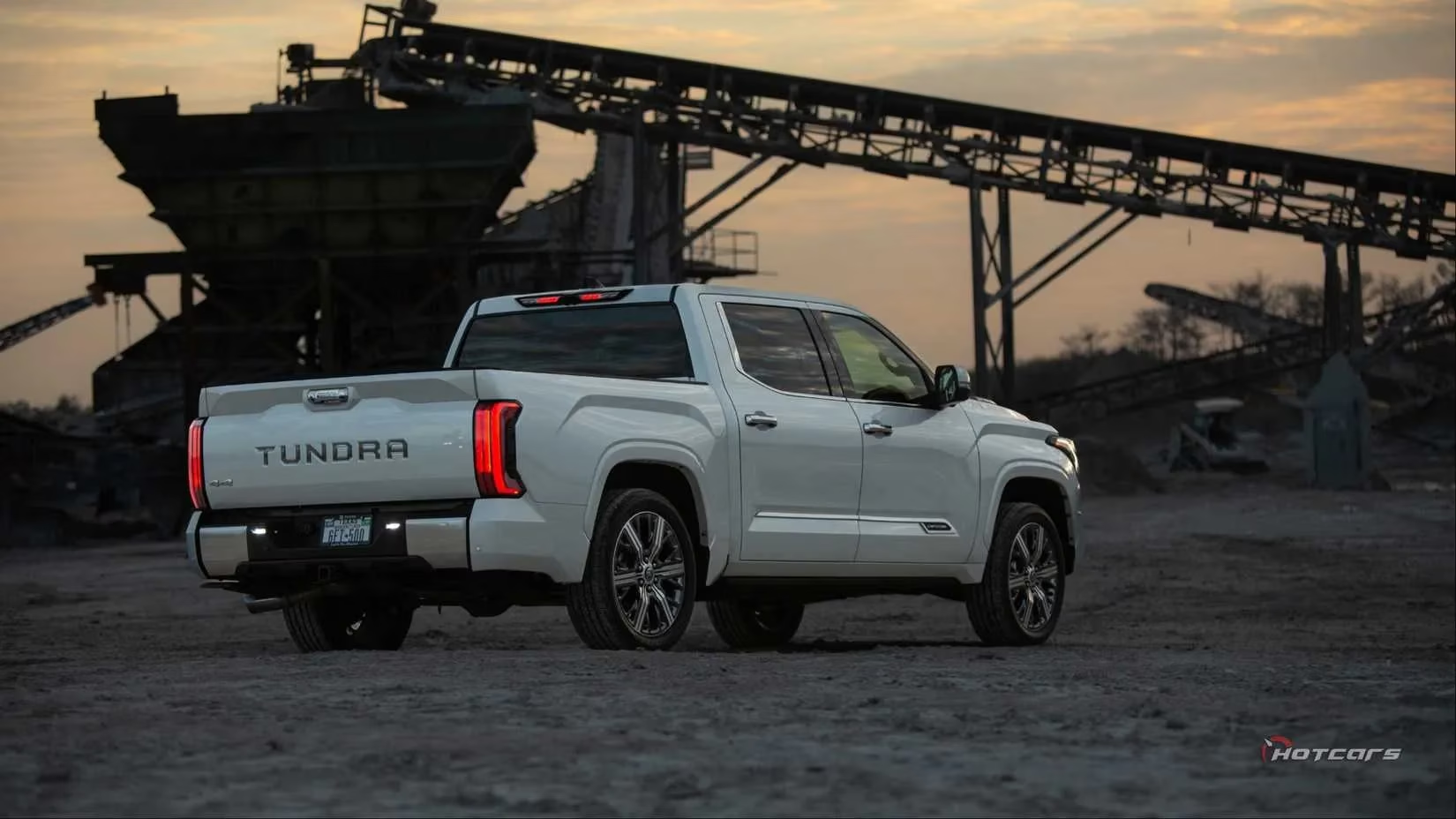
The Capstone only comes with a 5.5-foot bed. Buyers who need a longer bed should look at the Limited, Platinum, or 1794 Edition, which offer a 6.5-foot bed as an option. The Capstone also remains expensive, and it is not the right truck for every budget. Shoppers who mainly need capability can save money with a lower trim and still get a well-equipped Tundra.
But for a niche buyer who wants a full-size truck that works hard, carries family comfortably, and holds value like a traditional SUV, the Capstone remains compelling. It is a luxury work truck, not a contradiction. In 2026, that might be exactly the point.