In 2026, a buyer trying to justify one car for school runs, grocery trips, and weekend back-road detours faces a familiar arithmetic problem. The romantic answer is a sports sedan; the cautious answer is a compact crossover. The 2024 Subaru WRX sits in the narrow overlap between those two instincts, and its strongest argument is not horsepower. It is the maintenance forecast. When the 2024 WRX was new, CarEdge projected that owners would spend just $1,559 on upkeep over the first five years, an average of roughly $310 annually. In a world where performance cars often behave like expensive houseguests, that figure made the WRX stand out.
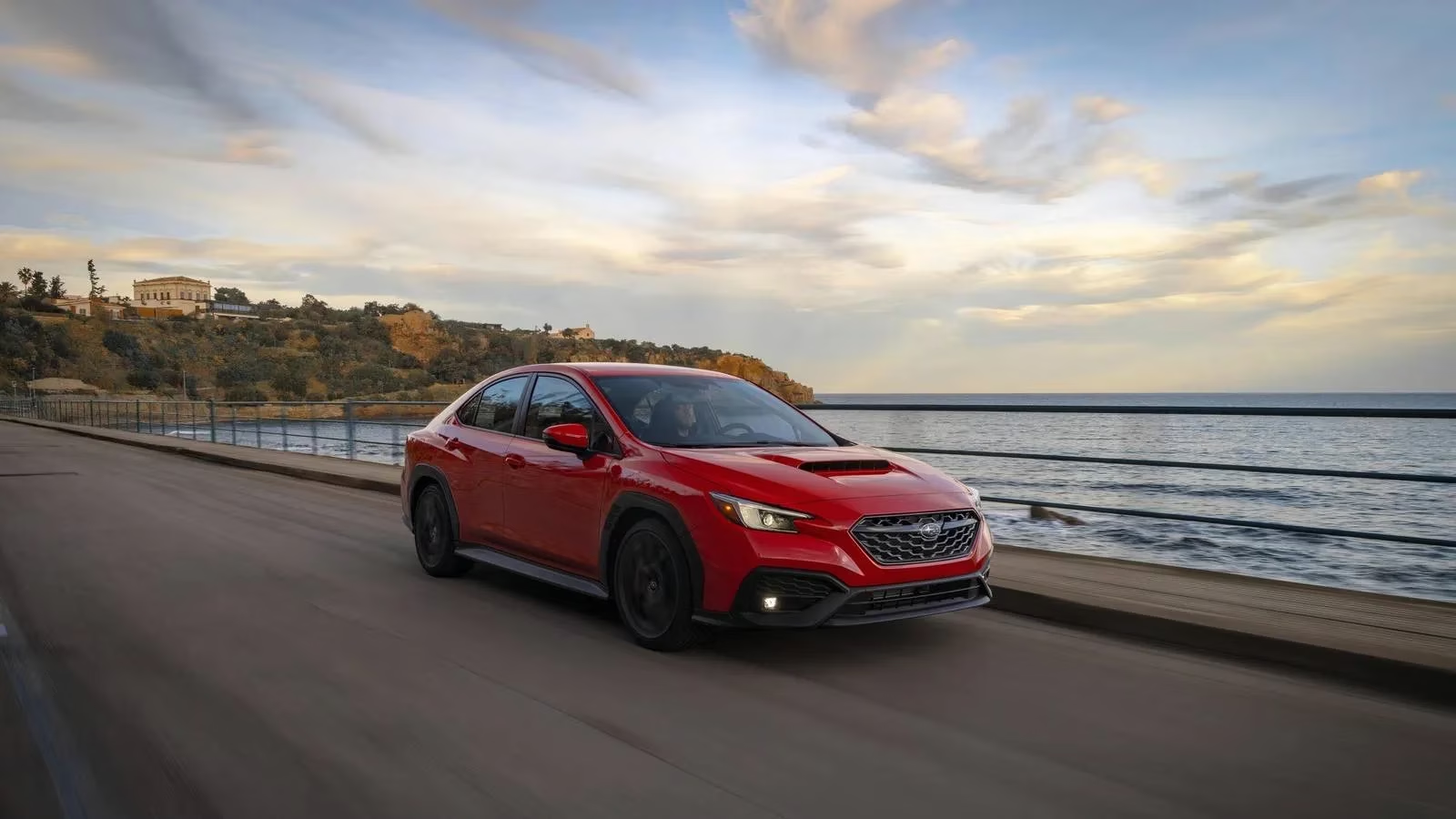
The logic behind the five-year window is simple. New cars usually spend most of that period under warranty, so many owners only visit a shop for routine work such as oil changes. In Subaru's case, the basic warranty at the time was three years or 36,000 miles. RepairPal estimated that WRX owners would need unscheduled repairs about once every three years, which was in line with rivals and only slightly shorter than the industry average. The WRX's maintenance budget is less a cliff edge than a low curb: noticeable, but rarely dramatic.
That does not make the WRX a reliability champion. RepairPal rated it at 3.5 out of 5 for cost, frequency, and severity of repairs, below the segment's 4 out of 5 average. It landed 32nd out of 36 vehicles in its class. J.D. Power's Quality & Reliability Index gave it 80 out of 100, which owners effectively treated as average. Yet the same owners rated the dealership experience at 87 out of 100 and resale at 89 out of 100. The WRX is not the flawless honors student of the segment; it is more like a mid-table football club that still sells out its stadium. The appeal is emotional, practical, and financial all at once.
Rally DNA, Family-Sedan Manners
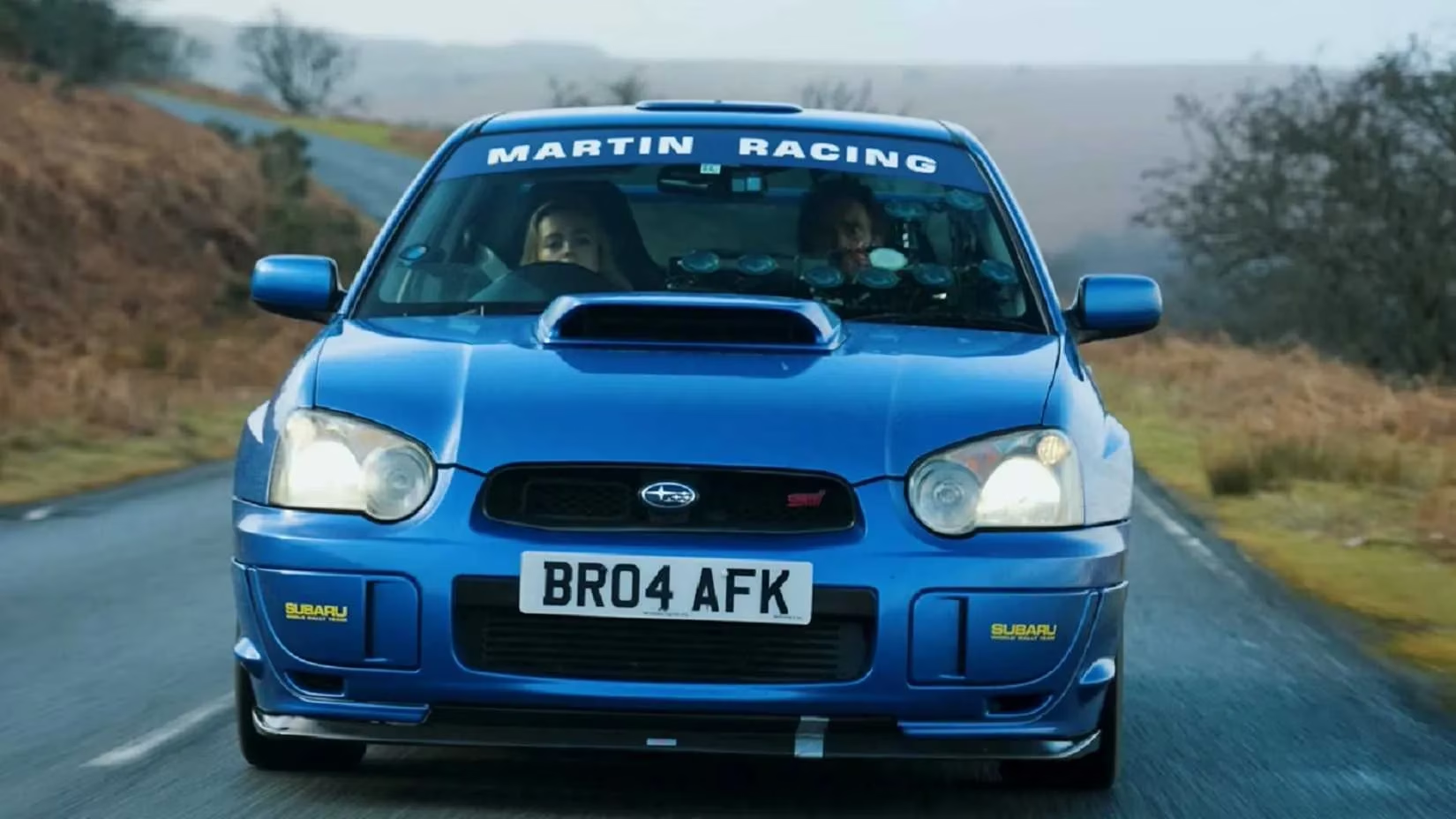
The WRX did not appear from nowhere. Subaru launched the WRX as a trim on the Impreza in 1992, and every generation since has borrowed from the company's World Rally Championship ventures: turbocharged engines, race-tuned suspensions, and all-wheel drive. The 2024 car is the second generation as a standalone model, and it wears that history with a wide-body design, a broad hood scoop, and prominent character lines. Unlike earlier WRXs with bold rear wings, the 2024 version uses a low-profile integrated rear spoiler. It looks less like a rally car bolted to a commuter sedan and more like a commuter sedan that has been quietly training for a rally stage.
The top-of-the-line WRX TR is not a replacement for the discontinued STI, but it adds racing-inspired equipment: exclusive 19-inch wheels, Recaro performance front seats, and no moonroof, which reduces weight and gives helmeted occupants more headroom. The TR is a track-day passport tucked into a family sedan's glovebox. It is not the cheapest WRX, but it shows how far the model can stretch toward serious performance without abandoning daily usability.
The Cost Comparison That Matters
In an ideal world, sports sedans would be compared with identical footprints, drivetrains, and performance metrics. The WRX makes that difficult because it blends a compact body, all-wheel drive, and a race-tuned suspension. Its closest maintenance rivals in the 2024 comparison were a luxury sedan and an electric car.
| Model | Projected maintenance cost | Annual average | Notes |
|---|---|---|---|
| 2024 Subaru WRX | $1,559 over five years | About $310 | AWD, turbocharged, rally-derived |
| Tesla Model 3 | About $1,115 over five years | About $223 | Lowest-cost luxury car to maintain, but electric |
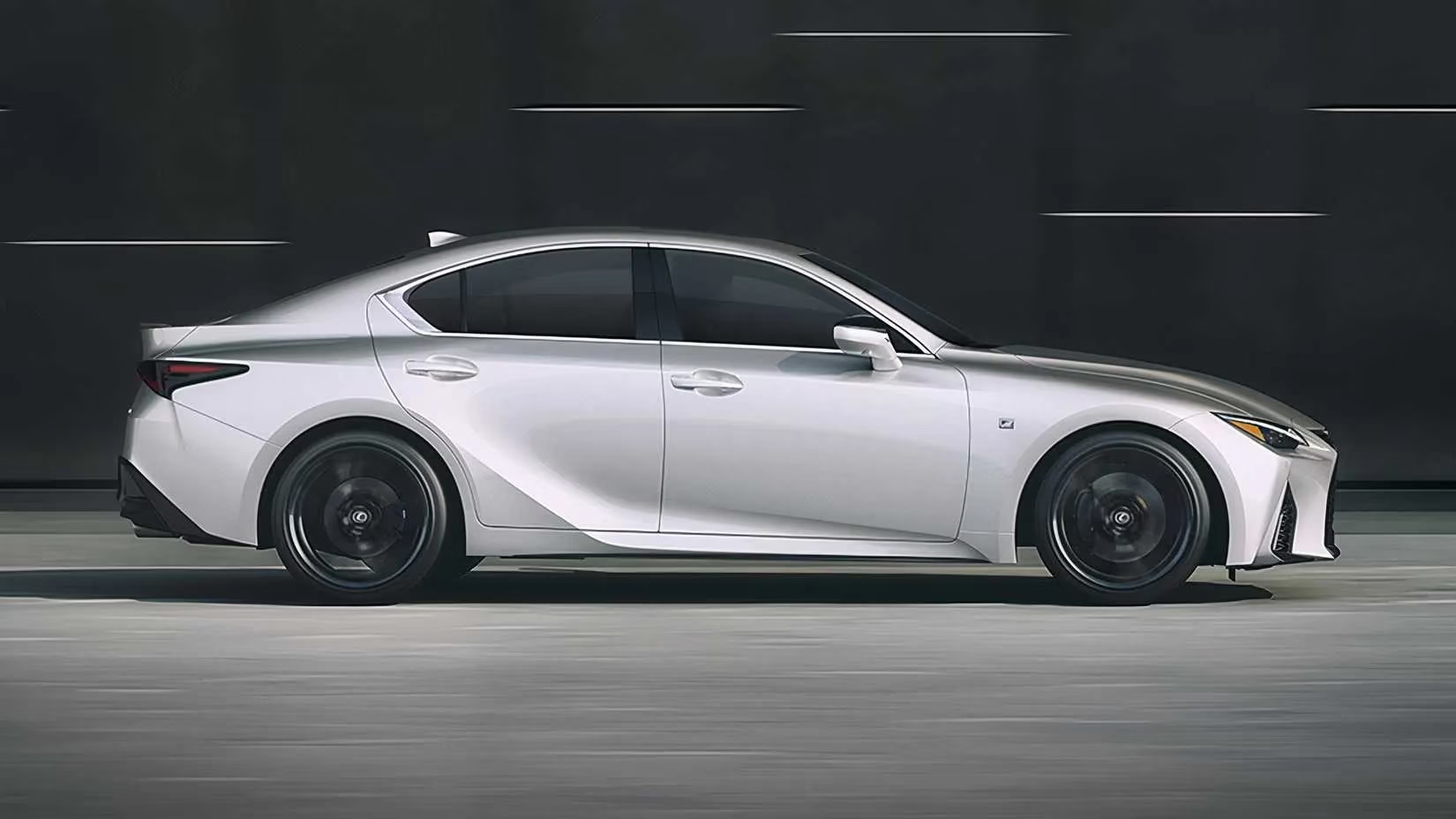
| Lexus IS 350 F-Sport | About $20 per year more than WRX | About $330 | Luxury sports sedan with strong track ability |
| Chrysler 300 / Dodge Charger | More than $2,000 over five years | More than $400 | Hemi V8 twins, more straight-line than agile |
⚡ The Tesla Model 3 undercut the WRX on maintenance, and at roughly $223 per year it was the least expensive luxury car to maintain in that comparison. But the WRX has an internal-combustion heart, a rally-bred chassis, and a purist's definition of a sports sedan. The Lexus IS 350 F-Sport came within about $20 a year of the WRX, and it remains a compelling luxury alternative. Yet the Lexus is a different kind of machine: more polished, more premium, and less obviously shaped by dirt-road competition.
What a 2026 Shopper Should Take Away
By 2026, the 2024 WRX is no longer showroom-fresh, so used-car shoppers must check warranty coverage, service history, and condition. The original five-year projection is still a useful yardstick, not a guarantee. The WRX is not the largest sedan in its class, nor the cheapest to buy. It is not the most reliable sports sedan, either. But it is a blast to drive and relatively inexpensive to live with, which is a rare combination.
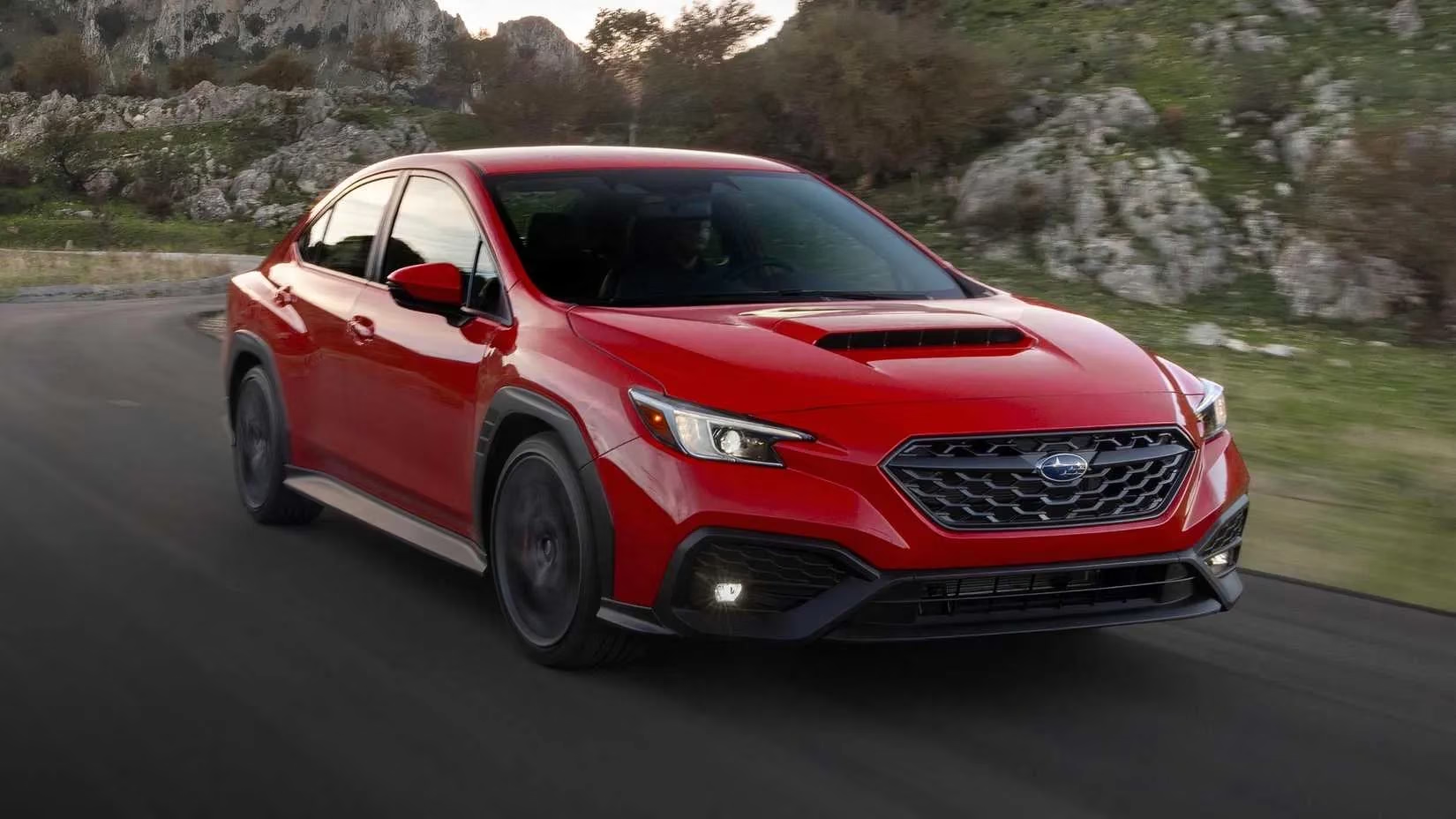
For a family that wants one car to cover the daily commute and the weekend escape, the WRX makes a persuasive case. Its maintenance costs behave like a garden hose rather than a fire hose, and its rally heritage gives it a personality that most compact sedans lack. The 2024 WRX may not be perfect, but in 2026 it remains a sharp reminder that affordable performance does not have to come with a luxury-car invoice every time the oil needs changing. 🏁